Best Oil Filled Electric Radiators
From leading brands and best sellers available on the web.

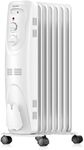
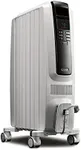
De'Longhi
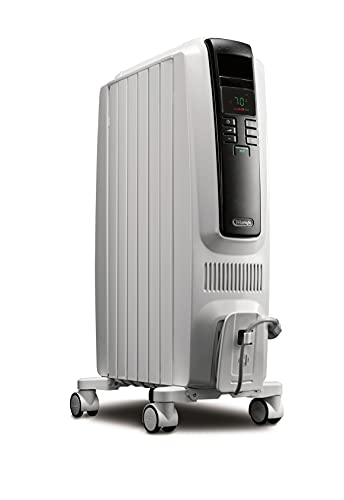
De'Longhi Dragon Digital Oil Filled Radiator Heater, 1500W Electric Space Heater for indoor use, programmable timer, Energy Saving, full room heater with safety features TRD40615E
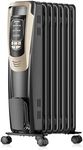
PELONIS
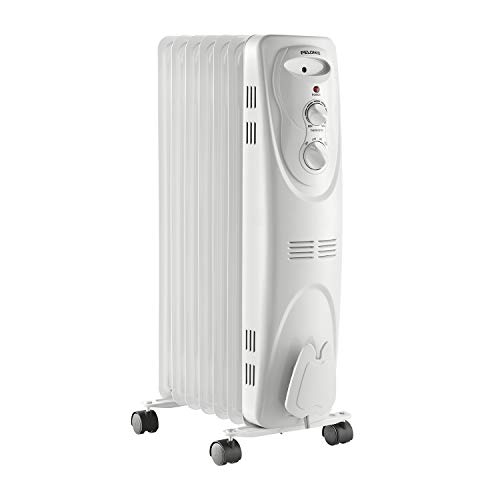
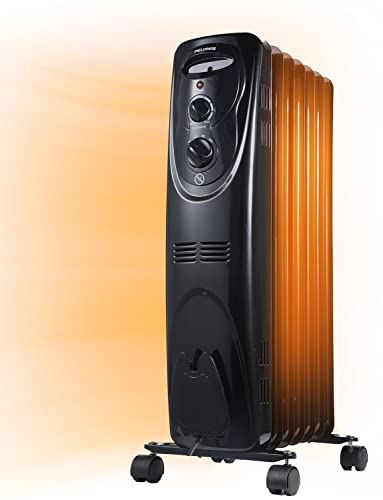
PELONIS Champagne Oil Filled Radiator Heater with Remote and Thermostat, 5 Temperature Settings for indoor use Large Room, Energy Efficient Electric Space heater with Safety Features
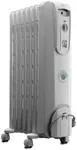
De'Longhi
De'Longhi Oil filled Radiator Heater, 1500W Electric Space Heater for indoor use, portable room heater, Energy Saving, full room like office and bedroom with safety features, EW7707CM
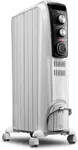
De'Longhi
1,500 Watt Portable Electric Radiant Radiator Heater with Mechanical Controls
Related Products
Up to 25% off
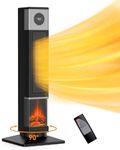
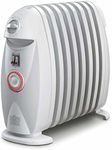
De'Longhi
DeLonghi TRN0812T Portable Oil-Filled Radiator with Programmable Timer
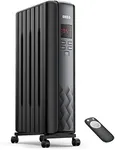
Dreo
Dreo Oil Filled Radiator Heater, Electric Radiant Heater with Remote Control, 4 Modes, Overheat & Tip-Over Protection, 24h Timer, Digital Thermostat, Quiet Space Heater for Indoor Use Large Room
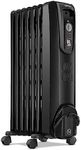
De'Longhi
De'Longhi ComfortTemp Full Room Radiant Heater, Black - Oil-Filled Portable Space Heater for Long-Lasting, Silent Heat - Easy-to-Use Controls, Adjustable Thermostat & Three Heat Settings
De'Longhi
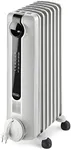
DeLonghi Radia S Oil-Filled Radiator Space Heater, Full Room Quiet 1500W, Adjustable Thermostat, 3 Heat Settings, Digital Timer, ECO Energy Saving Mode, Safety Features, Light Gray, TRRS0715E
De'Longhi
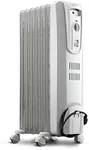
DeLonghi Oil Filled Radiant Heater, 1500W Electric Space Heater - Quiet and Portable with Anti-Freeze Function and Safety Features, TRH0715


Our technology thoroughly searches through the online shopping world, reviewing hundreds of sites. We then process and analyze this information, updating in real-time to bring you the latest top-rated products. This way, you always get the best and most current options available.

Most Popular Categories Right Now


