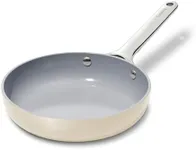
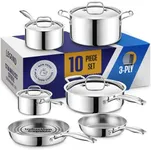
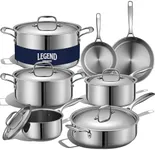
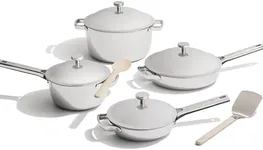
Buying Guide for the Best Non Toxic Cookware
Choosing non-toxic cookware is an excellent step toward a healthier kitchen. The term 'non-toxic' means the cookware materials do not leach harmful chemicals into your food during cooking. When you start searching, focus on what materials are used, what kind of cooking you do most often, how easy the cookware is to maintain, and any special health considerations for your household. Understanding the main specifications will help you identify the safest and most practical option for your everyday needs.Material CompositionMaterial composition refers to what the cookware is made of, such as stainless steel, cast iron, ceramic, glass, or certain types of uncoated metals. This is important because some materials can release unwanted chemicals or elements during cooking, especially at high temperatures. For example, pure stainless steel and cast iron are generally considered very safe, while traditional non-stick or aluminum cookware sometimes contains coatings or metals that may leach into food. When navigating this spec, think about fully non-reactive materials (like glass or ceramic), mostly non-reactive (like stainless steel), or seasoned surfaces (like natural cast iron). Pick for yourself by considering both what feels healthiest and easiest to cook with, as well as what types of foods you prepare—the less reactive the material, the better for acidic dishes or long-simmering recipes.
Non-Stick Coating TypeNon-stick coating determines how easily food releases from the cooking surface, and is often created from various chemicals or natural materials. It's important to watch out for coatings containing PTFE or PFOA, as these can release toxic fumes if overheated. Today, there are options like ceramic-based or seasoned cast iron non-stick surfaces that are considered completely non-toxic. When comparing this spec, note that traditional synthetic non-stick surfaces fall into one group, while ceramic or enamels are in another, and then naturally non-stick options like well-seasoned metal are in a third. Choose one based on how much you value effortless cleanup versus absolute safety—the most non-toxic options require a bit more maintenance but offer peace of mind.
Reactivity with FoodReactivity describes how the cookware's material interacts with certain types of food, especially acidic foods like tomatoes or vinegar. Some metals, like aluminum or uncoated copper, are reactive and may impart unwanted flavors or small amounts of metal into your meals. Cookware labeled as non-reactive (such as glass, ceramic, enameled, or stainless steel) avoids this problem. Segment these by looking for cookware types explicitly labeled as non-reactive, partially reactive, or reactive. To pick the right one, think about how often you cook acidic foods and if you want to avoid any metal taste or residue in your dishes—if so, stick with non-reactive materials.
Ease of CleaningEase of cleaning refers to how simple it is to wash and care for the cookware, which matters for both health and convenience. Some non-toxic materials, like glass or ceramic, are naturally easier to clean. On the other hand, cast iron or some stainless steel pieces can take more effort to maintain, especially if they need to be seasoned or hand-washed. This spec can be divided into dishwasher-safe, hand-wash recommended, and requires regular seasoning or special care. Your best choice will depend on your willingness and time to clean—if you prefer quick cleanup, lean toward dishwasher-safe and low-maintenance materials.
DurabilityDurability is about how well the cookware stands up to regular use, heat, and cleaning without degrading or releasing harmful elements over time. Tougher materials like stainless steel, cast iron, and quality ceramics usually last longer and resist corrosion, while cheaper coatings or thin metals can warp, chip, or break down. Durability can generally be divided into heavy-duty lifelong options (like cast iron and pure stainless), moderate lifespan options (like ceramics), and shorter-lived ones (like some coated surfaces). Think realistically about how often you cook and whether you want a set that lasts decades or you're okay with replacing pieces every so often—longer-lasting, safer materials may need more upfront care but provide lasting safety.