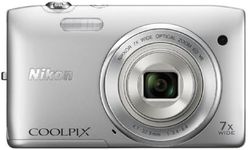
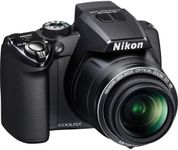
Buying Guide for the Best Nikon Coolpix Camera
Choosing the right Nikon Coolpix camera involves understanding your photography needs and matching them with the camera's features. Whether you're a beginner looking for a simple point-and-shoot or an enthusiast seeking advanced capabilities, knowing what to look for will help you make an informed decision. Here are the key specifications to consider when selecting a Nikon Coolpix camera.MegapixelsMegapixels (MP) refer to the resolution of the camera's sensor, which determines the detail and clarity of your photos. Higher megapixels mean more detail, which is important if you plan to print large photos or crop images without losing quality. For casual photography, 12-16 MP is usually sufficient. If you need more detail for professional work or large prints, look for cameras with 20 MP or higher.
Zoom RangeThe zoom range indicates how much you can magnify your subject. Optical zoom is more important than digital zoom because it uses the camera's lens to bring the subject closer without losing image quality. A higher zoom range is beneficial for capturing distant subjects, such as wildlife or sports events. For everyday use, a zoom range of 3x to 10x is adequate. For more specialized photography, consider a camera with a zoom range of 20x or higher.
Sensor SizeSensor size affects image quality, especially in low light conditions. Larger sensors capture more light, resulting in better image quality and less noise. Common sensor sizes in Coolpix cameras include 1/2.3-inch, 1-inch, and APS-C. For general photography, a 1/2.3-inch sensor is usually sufficient. If you need better performance in low light or higher image quality, look for a camera with a 1-inch or larger sensor.
Image StabilizationImage stabilization helps reduce blur caused by camera shake, which is especially useful in low light or when using a long zoom. Optical image stabilization is more effective than digital stabilization. If you often shoot in challenging conditions or without a tripod, look for a camera with good optical image stabilization to ensure sharp images.
Video RecordingIf you plan to record videos, consider the camera's video capabilities. Look for features like Full HD (1080p) or 4K resolution, frame rates, and additional options like slow motion or time-lapse. For casual video recording, 1080p is usually sufficient. If you want higher quality or plan to do more advanced video work, consider a camera with 4K recording capabilities.
ConnectivityConnectivity options like Wi-Fi, Bluetooth, and NFC allow you to easily transfer photos and videos to your smartphone or computer. This is useful for sharing your work on social media or backing up your files. If you value convenience and quick sharing, look for a camera with built-in connectivity features.
Battery LifeBattery life determines how many photos or videos you can take on a single charge. This is important if you plan to use the camera for extended periods without access to charging. For casual use, a battery life of around 200-300 shots is usually sufficient. If you need longer battery life for travel or events, look for a camera with a higher shot count per charge or consider carrying a spare battery.
Size and WeightThe size and weight of the camera affect its portability and ease of use. Compact and lightweight cameras are easier to carry around and are ideal for travel or everyday use. Larger cameras may offer more features and better ergonomics but can be cumbersome to carry. Consider how and where you will use the camera to determine the right balance between size, weight, and functionality.