Buying Guide for the Best Mold Killer For Basement
Choosing the right mold killer for your basement is crucial to ensure a healthy living environment and to prevent structural damage. Mold can thrive in damp, dark areas like basements, so it's important to select a product that effectively eliminates mold and prevents its return. When picking a mold killer, consider the type of mold, the size of the affected area, and any health concerns you may have. Here are some key specifications to help you make an informed decision.Active IngredientsThe active ingredients in a mold killer determine its effectiveness against different types of mold. Common active ingredients include bleach, hydrogen peroxide, and natural enzymes. Bleach is effective but can be harsh and produce strong fumes, making it less suitable for poorly ventilated areas. Hydrogen peroxide is a safer alternative that is effective against mold and mildew without producing harmful fumes. Natural enzyme-based products are eco-friendly and safe for use around children and pets but may take longer to show results. Choose an active ingredient based on the severity of the mold problem and your sensitivity to chemicals.
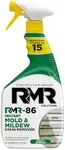
Application MethodMold killers come in various application methods such as sprays, foams, and concentrates. Sprays are convenient for small areas and spot treatments, allowing for easy and precise application. Foams can penetrate porous surfaces like wood and concrete, making them ideal for deep cleaning. Concentrates need to be diluted with water and are suitable for large areas, offering a cost-effective solution. Consider the size of the affected area and the type of surface when choosing the application method. For extensive mold infestations, a concentrate might be more practical, while a spray or foam could be sufficient for smaller, localized issues.
Safety and Environmental ImpactSafety and environmental impact are important factors to consider, especially if you have children, pets, or are concerned about the environment. Some mold killers contain harsh chemicals that can be harmful if inhaled or come into contact with skin. Look for products that are labeled as non-toxic, biodegradable, or eco-friendly. These products are generally safer to use and have a lower environmental impact. If you have respiratory issues or allergies, opt for a mold killer with minimal fumes and low VOC (volatile organic compounds) content to reduce the risk of irritation.
Effectiveness and Residual ProtectionThe effectiveness of a mold killer is determined by how well it eliminates mold and prevents its recurrence. Some products offer residual protection, meaning they continue to prevent mold growth for a period after application. This is particularly useful in basements where moisture levels can fluctuate. Check for products that provide long-lasting protection and are specifically designed to prevent mold regrowth. If your basement is prone to dampness, a mold killer with residual protection can save you time and effort in the long run by reducing the need for frequent reapplications.
Ease of UseEase of use is an important consideration, especially if you are not experienced with mold removal. Some mold killers require multiple steps or protective gear, while others are straightforward and easy to apply. Look for products with clear instructions and minimal preparation required. Ready-to-use sprays and foams are generally the easiest to use, while concentrates may require mixing and additional equipment. Choose a product that matches your comfort level and the complexity of the mold problem. If you prefer a hassle-free solution, opt for a ready-to-use product with simple application steps.