Buying Guide for the Best Modular Adv Helmet
Choosing the right modular adventure helmet is crucial for ensuring safety, comfort, and performance during your rides. Modular helmets offer the convenience of a flip-up chin bar, making them versatile for both on-road and off-road adventures. When selecting a modular adventure helmet, consider the following key specifications to find the best fit for your needs.Safety CertificationsSafety certifications indicate that the helmet meets specific safety standards. Common certifications include DOT, ECE, and Snell. DOT is the minimum standard in the US, ECE is recognized in Europe, and Snell is a more rigorous standard. For the best protection, look for helmets that meet multiple certifications. Your choice should be guided by the regions you ride in and the level of safety you desire.
Shell MaterialThe shell material affects the helmet's weight, durability, and impact resistance. Common materials include polycarbonate, fiberglass composite, and carbon fiber. Polycarbonate is affordable and offers good protection but is heavier. Fiberglass composite provides a balance of weight and strength. Carbon fiber is the lightest and strongest but also the most expensive. Choose based on your preference for weight and durability.
Fit and ComfortA helmet should fit snugly without being too tight. Comfort features include padding, ventilation, and liner materials. Helmets come in different shapes (round, intermediate, and long oval) to match head shapes. Try on different helmets to find the best fit. Consider helmets with removable and washable liners for hygiene and adjustable ventilation for comfort in various weather conditions.
Visor and Sun ShieldA good visor provides clear visibility and protection from debris. Some helmets come with an integrated sun shield for riding in bright conditions. Look for anti-fog and anti-scratch coatings. If you ride in varying light conditions, a helmet with a drop-down sun shield can be very convenient. Ensure the visor mechanism is easy to operate, even with gloves on.
WeightHelmet weight affects comfort, especially on long rides. Lighter helmets reduce neck fatigue but may come at a higher cost. Weights typically range from 3 to 4 pounds. Consider your riding style and duration; if you often go on long rides, a lighter helmet might be worth the investment.
Noise ReductionNoise levels inside the helmet can affect comfort and concentration. Modular helmets can be noisier than full-face helmets due to their design. Look for helmets with good aerodynamics and noise-reducing features like padded neck rolls and wind deflectors. If you ride at high speeds or for long distances, noise reduction becomes more important.
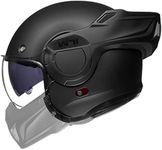
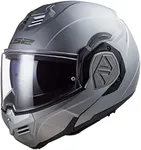
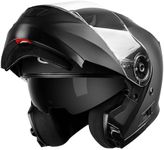
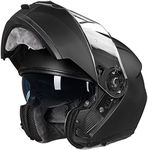
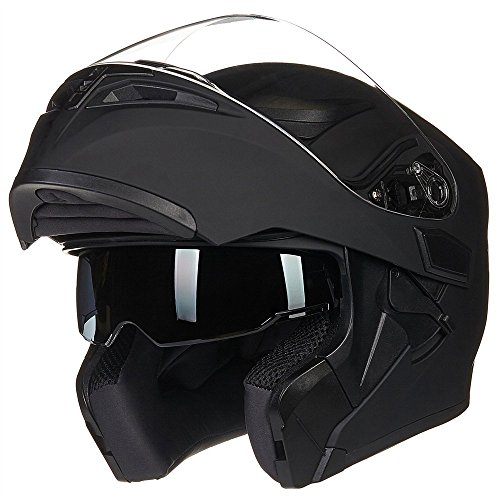
Modular MechanismThe modular mechanism allows the chin bar to flip up, providing convenience for communication, eating, or taking a break without removing the helmet. Check the ease of operation and the locking mechanism's reliability. Some helmets offer single-handed operation, which can be very useful. Ensure the mechanism feels sturdy and secure.
VentilationGood ventilation keeps you cool and prevents fogging. Look for helmets with multiple adjustable vents, including chin, top, and exhaust vents. Effective ventilation is crucial for comfort, especially in hot weather or during intense rides. Consider how easy it is to adjust the vents while riding.