Buying Guide for the Best MMA Rash Guards
When choosing an MMA rash guard, it's important to consider several key specifications to ensure you get the best fit and performance for your needs. A rash guard is a type of athletic shirt made of spandex and nylon or polyester. It is designed to protect the wearer against rashes caused by abrasion, or by sunburn from extended exposure to the sun. Here are the key specs to consider when selecting an MMA rash guard.MaterialThe material of a rash guard is crucial as it affects comfort, durability, and performance. Most rash guards are made from a blend of spandex and either nylon or polyester. Spandex provides stretch and flexibility, while nylon and polyester offer durability and moisture-wicking properties. For high-intensity training, look for a rash guard with a higher percentage of spandex for better flexibility. If you need something more durable for frequent use, a higher percentage of nylon or polyester might be better.
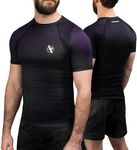
FitThe fit of a rash guard is important for both comfort and performance. Rash guards typically come in two fits: compression and regular. Compression fit is tight and form-fitting, which can help with muscle support and reduce fatigue. Regular fit is looser and may be more comfortable for casual training or those who prefer less restriction. Choose a compression fit if you are looking for performance enhancement and muscle support, and a regular fit if you prioritize comfort and ease of movement.
StitchingStitching quality can greatly affect the durability and comfort of a rash guard. Flatlock stitching is the most common and preferred method as it lies flat against the skin, reducing chafing and irritation. Reinforced stitching in high-stress areas can also enhance durability. If you train frequently or engage in intense sessions, look for rash guards with flatlock stitching and reinforced seams to ensure longevity and comfort.
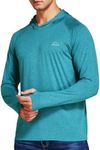
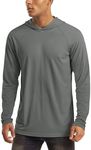
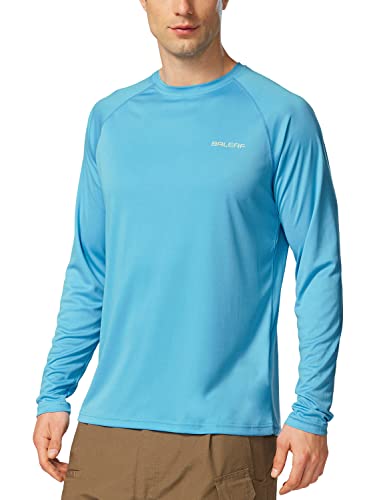
Sleeve LengthRash guards come in different sleeve lengths: short sleeve, long sleeve, and three-quarter sleeve. The choice depends on personal preference and the type of training. Long sleeves offer more protection against mat burns and can keep muscles warm, which is beneficial in cooler environments. Short sleeves provide more freedom of movement and are better for warmer conditions. Three-quarter sleeves offer a balance between the two. Choose the sleeve length based on your training environment and personal comfort.
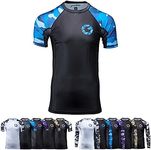
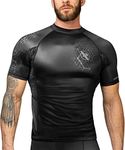
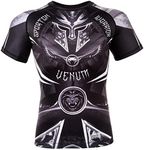
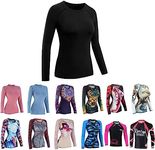
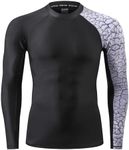
Design and ColorWhile design and color might seem like purely aesthetic choices, they can also have practical implications. Darker colors and bold designs can help hide stains and wear, while lighter colors might show dirt and sweat more easily. Some rash guards also come with sublimated graphics, which are less likely to peel or fade over time. Choose a design and color that you find appealing and that suits your training environment.
UV ProtectionIf you plan to use your rash guard for outdoor training or activities, UV protection is an important feature. Some rash guards are designed with UV protection to shield your skin from harmful sun rays. Look for a rash guard with a high UPF (Ultraviolet Protection Factor) rating if you will be training outdoors frequently. This will help protect your skin from sunburn and long-term sun damage.