Buying Guide for the Best Mildew Resistant Caulk
Choosing the right mildew-resistant caulk is essential for maintaining a clean and healthy environment in areas prone to moisture, such as bathrooms, kitchens, and basements. Mildew-resistant caulk helps prevent the growth of mold and mildew, which can cause health issues and damage surfaces. To make an informed decision, it's important to understand the key specifications and how they relate to your specific needs.Material TypeMildew-resistant caulk can be made from various materials, including silicone, acrylic, and latex. Silicone caulk is highly flexible, durable, and waterproof, making it ideal for areas with high moisture levels. Acrylic caulk is paintable and easy to clean, but it may not be as durable as silicone. Latex caulk is also paintable and easy to work with, but it may not offer the same level of mildew resistance as silicone. Choose silicone for maximum durability and resistance, acrylic if you need to paint over it, and latex for ease of use in less moisture-prone areas.
Drying TimeDrying time refers to how long it takes for the caulk to set and become fully effective. Fast-drying caulks can be ready in as little as 30 minutes, while others may take up to 24 hours. If you need to use the area quickly, opt for a fast-drying caulk. However, if you can afford to wait, a longer drying time may result in a stronger bond and better mildew resistance.
FlexibilityFlexibility is the ability of the caulk to expand and contract with temperature changes and movement of the surfaces. High flexibility is important in areas that experience frequent temperature fluctuations or movement, such as around windows, doors, and bathtubs. Silicone caulk generally offers the highest flexibility, while acrylic and latex caulks may be less flexible. Choose a highly flexible caulk for areas with significant movement to prevent cracking and ensure long-lasting protection.
PaintabilityPaintability refers to whether the caulk can be painted over once it has dried. Acrylic and latex caulks are typically paintable, allowing you to match the caulk to the surrounding surfaces. Silicone caulk, on the other hand, is usually not paintable. If you need to paint over the caulk, choose an acrylic or latex option. If paintability is not a concern, silicone caulk may offer better mildew resistance and durability.
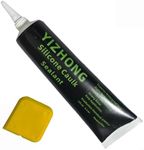
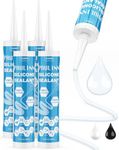
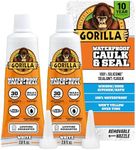
Application MethodThe application method refers to how the caulk is applied. Caulk can come in squeeze tubes, cartridges for use with a caulking gun, or even pre-formed strips. Squeeze tubes are convenient for small jobs and touch-ups, while cartridges are better for larger projects and provide more control. Pre-formed strips are easy to apply and mess-free but may not offer the same level of adhesion as traditional caulk. Choose the application method that best suits the size and scope of your project.
Mildew ResistanceMildew resistance is the primary feature of this type of caulk, indicating its ability to prevent the growth of mold and mildew. This is especially important in areas with high humidity and moisture, such as bathrooms and kitchens. Look for caulks that specifically mention mildew resistance on the label. Higher quality caulks will offer better protection and longer-lasting results. Choose a caulk with strong mildew resistance for areas prone to moisture to maintain a clean and healthy environment.