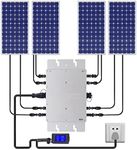
Buying Guide for the Best Micro Inverters
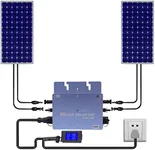
When choosing micro-inverters for your solar power system, it's important to understand the key specifications and how they impact the performance and efficiency of your setup. Micro-inverters are devices that convert the direct current (DC) generated by each solar panel into alternating current (AC) that can be used by your home or fed back into the grid. They offer several advantages over traditional string inverters, including improved energy harvest, enhanced safety, and better monitoring capabilities. To make an informed decision, you need to consider several key specifications and how they align with your specific needs and circumstances.Power OutputPower output refers to the amount of electricity a micro-inverter can produce. This is typically measured in watts (W). It's important because it determines how much energy each micro-inverter can handle from the solar panel. Micro-inverters come in different power ratings, usually ranging from 200W to 400W. If you have high-efficiency solar panels that produce more power, you'll need micro-inverters with a higher power output to match. Conversely, for lower power panels, a lower power output micro-inverter will suffice. Choose a power output that matches or slightly exceeds the maximum power rating of your solar panels to ensure optimal performance.
EfficiencyEfficiency indicates how well a micro-inverter converts DC electricity from the solar panels into AC electricity. This is expressed as a percentage. Higher efficiency means less energy is lost during the conversion process, leading to better overall system performance. Micro-inverters typically have efficiencies ranging from 95% to 99%. For most users, choosing a micro-inverter with an efficiency of 97% or higher is ideal, as it ensures that most of the energy generated by your solar panels is effectively utilized. If maximizing energy production is a priority, opt for the highest efficiency available within your other constraints.
CompatibilityCompatibility refers to whether the micro-inverter can work with your specific solar panels and system setup. This includes matching the voltage and current specifications of your panels. It's crucial because incompatible micro-inverters can lead to suboptimal performance or even damage to your system. Check the voltage and current ratings of your solar panels and ensure that the micro-inverter you choose can handle these values. Additionally, some micro-inverters are designed to work with specific brands or types of panels, so verify compatibility with your panel manufacturer’s recommendations.
Monitoring CapabilitiesMonitoring capabilities allow you to track the performance of each solar panel and micro-inverter in real-time. This is important for identifying issues, optimizing performance, and ensuring your system is operating efficiently. Many modern micro-inverters come with built-in monitoring features that can be accessed via a smartphone app or web portal. If you value the ability to monitor your system closely, look for micro-inverters that offer comprehensive monitoring options. This can help you quickly detect and address any problems, ensuring your solar power system runs smoothly.
WarrantyThe warranty is the period during which the manufacturer guarantees the performance and reliability of the micro-inverter. This is important because it provides peace of mind and protection against potential defects or failures. Micro-inverters typically come with warranties ranging from 10 to 25 years. A longer warranty period is generally better, as it indicates the manufacturer's confidence in the product's durability and longevity. When choosing a micro-inverter, consider the length and terms of the warranty to ensure you are covered for an extended period.
Temperature RangeThe temperature range specifies the operating temperatures within which the micro-inverter can function effectively. This is important because extreme temperatures can affect the performance and lifespan of the micro-inverter. Micro-inverters are designed to operate within a specific temperature range, typically from -40°C to 85°C (-40°F to 185°F). If you live in an area with extreme weather conditions, ensure that the micro-inverter you choose can handle the local temperature variations. This will help maintain consistent performance and prevent damage due to temperature extremes.