Buying Guide for the Best Marine Battery Switch
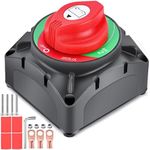
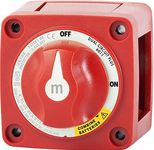
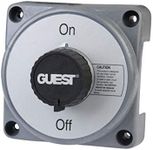
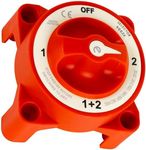
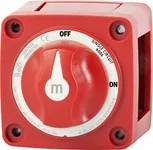
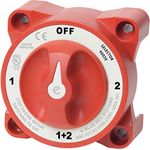
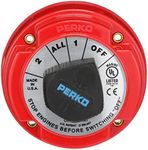
Choosing the right marine battery switch is crucial for ensuring the safety and efficiency of your boat's electrical system. A marine battery switch allows you to control the flow of electricity from your batteries to your boat's electrical system, helping to prevent battery drain and manage power distribution. When selecting a marine battery switch, it's important to consider several key specifications to ensure it meets your needs and provides reliable performance.Type of SwitchThe type of marine battery switch is important because it determines how you can control the power flow. There are several types, including single battery switches, dual battery switches, and selector switches. Single battery switches are used for simple on/off control of one battery. Dual battery switches allow you to control two batteries, either individually or together. Selector switches let you choose between multiple batteries or combine them. Choose a switch type based on the number of batteries you have and how you want to manage them.
Amperage RatingThe amperage rating indicates the maximum current the switch can handle. This is important because using a switch with a lower rating than your system requires can lead to overheating and potential failure. Amperage ratings are typically divided into segments such as 100-200 amps, 200-300 amps, and 300+ amps. To pick the right one, consider the total current draw of your boat's electrical system and choose a switch with a rating that exceeds this value to ensure safe operation.
Voltage RatingThe voltage rating of a marine battery switch specifies the maximum voltage it can handle. This is crucial for compatibility with your boat's electrical system. Common voltage ratings include 12V, 24V, and 36V. To select the right voltage rating, match it with the voltage of your boat's battery system. Using a switch with an incorrect voltage rating can result in malfunction or damage to your electrical components.
Construction MaterialThe construction material of the switch affects its durability and resistance to marine environments. Marine battery switches are typically made from materials like plastic, stainless steel, or brass. Plastic switches are lightweight and corrosion-resistant but may not be as durable as metal options. Stainless steel and brass switches offer superior durability and corrosion resistance, making them ideal for harsh marine conditions. Choose a material based on the environmental conditions your boat will be exposed to and the level of durability you require.
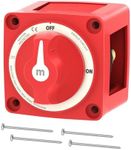
Mounting OptionsMounting options refer to how and where the switch can be installed on your boat. Some switches are designed for surface mounting, while others can be flush-mounted. Surface-mounted switches are easier to install and access, while flush-mounted switches provide a cleaner look and are less likely to be accidentally activated. Consider the available space and your preference for installation when choosing a mounting option.
Additional FeaturesAdditional features can enhance the functionality and convenience of a marine battery switch. These may include features like an emergency parallel function, which allows you to combine batteries in case of a failure, or a locking mechanism to prevent unauthorized use. Other features might include LED indicators to show the switch's status or weatherproofing for added protection. Think about any extra functionalities that could be beneficial for your specific use case and look for switches that offer those features.