Buying Guide for the Best Long Range Am Fm Radio
When choosing a long-range AM/FM radio, it's important to consider several key specifications to ensure you get the best performance and features for your needs. Long-range radios are designed to pick up distant signals, making them ideal for use in remote areas, during emergencies, or for those who enjoy listening to a variety of stations. Here are the key specs to consider and how to choose the right one for you.Frequency RangeThe frequency range of a radio determines the range of AM and FM stations it can receive. AM frequencies typically range from 530 to 1700 kHz, while FM frequencies range from 88 to 108 MHz. A wider frequency range allows you to access more stations. If you are looking for a radio that can pick up a variety of stations, ensure it covers the full standard range for both AM and FM.
SensitivitySensitivity refers to the radio's ability to pick up weak signals. Higher sensitivity means the radio can detect weaker signals, which is crucial for long-range reception. Sensitivity is usually measured in microvolts (µV) for FM and microvolts per meter (µV/m) for AM. Look for radios with lower sensitivity values (e.g., 1 µV for FM) for better performance in picking up distant stations.
SelectivitySelectivity is the radio's ability to distinguish between closely spaced stations. High selectivity is important in areas with many stations, as it helps prevent interference from adjacent channels. Selectivity is measured in decibels (dB). A higher dB value indicates better selectivity. If you live in or near a city with many radio stations, choose a radio with high selectivity to avoid signal overlap.
AntennaThe type and quality of the antenna significantly affect the radio's reception. External antennas generally provide better reception than built-in ones. Some radios come with telescopic antennas for FM and built-in ferrite bar antennas for AM. For the best long-range reception, consider radios that allow you to connect an external antenna or have a high-quality built-in antenna.
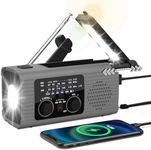
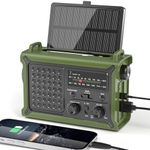
Power SourceThe power source of the radio can affect its portability and convenience. Options include batteries, rechargeable batteries, solar power, and AC adapters. If you plan to use the radio in remote areas or during emergencies, a model with multiple power options, such as battery and solar power, can be very useful. Choose a power source that aligns with your intended use and ensures you have a reliable power supply.
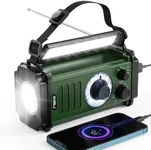
Durability and Build QualityDurability and build quality are important if you plan to use the radio outdoors or in rugged conditions. Look for radios with sturdy construction, water resistance, and shockproof features. If you need a radio for outdoor activities or emergency situations, prioritize models that are built to withstand harsh environments.
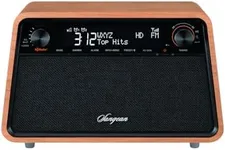
Additional FeaturesAdditional features can enhance your listening experience and convenience. These may include digital tuning, preset station memory, alarm clock, weather alerts, and Bluetooth connectivity. Consider which features are important to you based on how you plan to use the radio. For example, if you want to use the radio as an alarm clock, look for models with that function.