Buying Guide for the Best Log Splitter For Drill
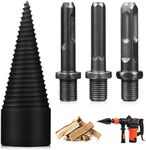
Choosing the right log splitter for your drill can make your wood-splitting tasks much easier and more efficient. The key is to understand the different specifications and how they align with your needs. By focusing on the right features, you can ensure that you get a log splitter that is both effective and safe to use with your drill.CompatibilityCompatibility refers to whether the log splitter can be used with your specific drill. This is important because not all log splitters fit all drills. To navigate this, check the chuck size and type of your drill and ensure the log splitter is designed to fit. If you have a standard drill, look for splitters that mention compatibility with common chuck sizes like 3/8 inch or 1/2 inch. If you have a more specialized drill, you may need to find a splitter that specifically mentions compatibility with your model. Your need here is to ensure a secure fit to avoid any accidents or inefficiency.
MaterialThe material of the log splitter determines its durability and effectiveness. Most log splitters are made from high-carbon steel or other hardened metals. This is important because a stronger material will last longer and split logs more efficiently. When navigating this spec, look for terms like 'hardened steel' or 'high-carbon steel.' If you plan to split a lot of hardwood, opt for a splitter made from the toughest materials. For occasional use with softer woods, a standard steel splitter may suffice. Your need here is to balance durability with the type of wood you will be splitting.
Size and WeightSize and weight of the log splitter affect how easy it is to handle and how effective it will be. A larger, heavier splitter can handle bigger logs but may be more difficult to maneuver. Conversely, a smaller, lighter splitter is easier to handle but may not be as effective on larger logs. To navigate this, consider the typical size of the logs you will be splitting. If you mostly deal with small to medium logs, a lighter splitter will be more convenient. For larger logs, a heavier splitter will be necessary. Your need here is to match the splitter size and weight to the size of the logs you will be working with.
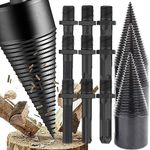
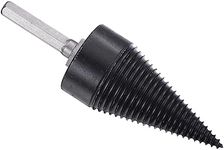
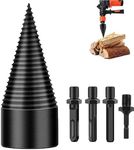
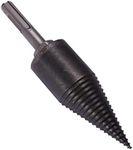
DesignThe design of the log splitter can impact its efficiency and safety. Some splitters have a spiral design, which helps to drive the splitter into the log more effectively. Others may have a straight wedge design. This is important because the design can affect how easily and safely you can split logs. When navigating this, look for features like anti-slip surfaces or ergonomic handles. If you are new to using a log splitter, a design with safety features and ease of use will be beneficial. Your need here is to find a design that maximizes efficiency while minimizing the risk of injury.
Ease of UseEase of use refers to how simple and straightforward it is to operate the log splitter with your drill. This is important because a complicated or difficult-to-use splitter can lead to frustration and potential safety hazards. To navigate this, look for user reviews and product descriptions that mention ease of use. Features like quick attachment mechanisms or clear instructions can be indicators of a user-friendly product. If you are not very experienced with power tools, prioritize a log splitter that is known for being easy to use. Your need here is to ensure that you can operate the splitter safely and effectively without a steep learning curve.