Buying Guide for the Best Lightweight Travel Crib
Choosing the right lightweight travel crib can make a significant difference in your travel experience, ensuring your baby has a safe and comfortable place to sleep while you're on the go. When selecting a travel crib, it's important to consider various factors that will meet your specific needs and preferences. Here are some key specifications to help you make an informed decision.WeightWeight is a crucial factor when selecting a travel crib, as it determines how easy it will be to carry and transport. Lightweight travel cribs typically range from 10 to 20 pounds. If you plan to move the crib frequently or carry it for long distances, opt for a model on the lighter end of the spectrum. For those who will primarily use the crib in one location, a slightly heavier model may offer additional features or stability.
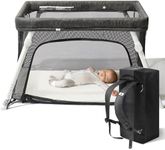
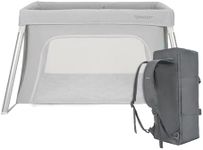
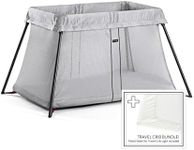
PortabilityPortability refers to how easily the travel crib can be packed up and transported. Look for cribs that come with a carrying case or bag, and check how compactly they fold. Some models are designed to fit into overhead airplane compartments, while others may be more suitable for car travel. Consider your typical mode of transportation and choose a crib that aligns with your travel habits.
Setup and Take DownThe ease of setting up and taking down the travel crib is important, especially if you'll be using it frequently. Some cribs feature a one-hand setup or pop-up design, making them quick and easy to assemble. Others may require more steps and time. If you value convenience and speed, look for a crib with a straightforward setup process. If you don't mind spending a few extra minutes, you might find a crib with additional features that require a more involved setup.
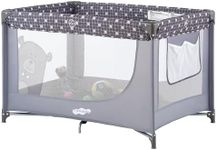
ComfortComfort is essential for ensuring your baby sleeps well while traveling. Check the mattress quality and overall design of the crib. Some travel cribs come with thicker, more cushioned mattresses, while others may have thinner pads. If your baby is used to a certain level of comfort at home, try to find a travel crib that offers a similar experience. Additionally, consider the crib's ventilation and whether it has mesh sides for breathability.
SafetySafety is paramount when choosing a travel crib. Ensure the crib meets safety standards and has features like sturdy construction, secure locking mechanisms, and breathable mesh sides. Check for any recalls or safety warnings associated with the model you're considering. If your baby is particularly active, look for a crib with reinforced sides and a stable base to prevent tipping.
Size and Age RangeTravel cribs come in various sizes and are designed for different age ranges. Some cribs are suitable for newborns, while others can accommodate toddlers. Consider your child's age and size, and choose a crib that will provide a comfortable fit. If you plan to use the crib for an extended period, look for a model that can grow with your child, offering adjustable features or a larger sleeping area.
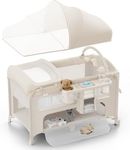
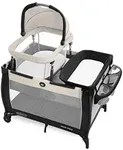
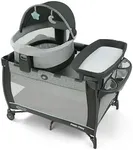
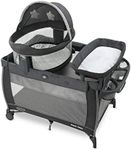
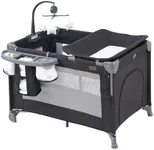
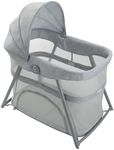
Additional FeaturesSome travel cribs come with additional features that can enhance convenience and functionality. These may include built-in bassinets, changing stations, or storage pockets. While these features can be beneficial, they may also add to the weight and complexity of the crib. Determine which features are essential for your needs and prioritize them when making your selection.