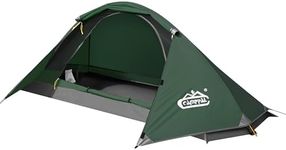
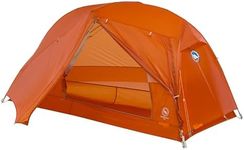
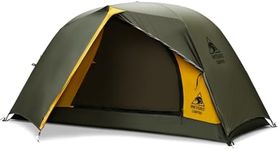
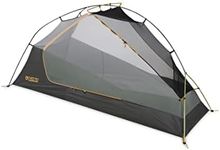
Buying Guide for the Best Lightweight 1 Person Tent
Choosing the right lightweight 1-person tent is crucial for ensuring comfort, safety, and convenience during your outdoor adventures. The right tent will depend on your specific needs, such as the type of terrain you'll be camping on, the weather conditions you expect, and how much weight you're willing to carry. Here are some key specifications to consider when selecting a lightweight 1-person tent, along with explanations to help you make an informed decision.WeightWeight is a critical factor for a lightweight 1-person tent, especially if you plan on backpacking or hiking long distances. The weight of the tent includes the tent body, rainfly, poles, and stakes. Tents can be categorized into ultralight (under 2 pounds), lightweight (2-3 pounds), and standard (3-4 pounds). If you prioritize minimal weight for long treks, go for an ultralight tent. For general backpacking, a lightweight tent is a good balance between weight and durability. Consider your carrying capacity and the length of your trips when choosing the right weight.
SeasonalitySeasonality refers to the tent's ability to withstand different weather conditions. Tents are typically rated as 3-season or 4-season. A 3-season tent is designed for spring, summer, and fall, offering good ventilation and protection against rain and wind. A 4-season tent is built to handle harsher conditions, including snow and strong winds, making it suitable for winter camping. Choose a 3-season tent if you plan to camp in milder weather and a 4-season tent if you expect extreme conditions.
MaterialThe material of the tent affects its weight, durability, and weather resistance. Common materials include nylon and polyester. Nylon is lightweight and strong but can degrade with prolonged UV exposure. Polyester is more UV-resistant but slightly heavier. The tent's denier (D) rating indicates the fabric's thickness; higher denier means more durability but also more weight. For lightweight tents, look for a balance between low denier for weight savings and enough durability for your intended use.
SetupThe ease of setup is important, especially if you often camp alone. Tents can be freestanding or non-freestanding. Freestanding tents are easier to set up and can be moved around before staking, while non-freestanding tents require staking and are usually lighter. Consider how often you'll be setting up and taking down the tent, and whether you'll be doing it alone. A tent with a simple, quick setup can save time and hassle, particularly in bad weather.
VentilationGood ventilation is essential to reduce condensation inside the tent, which can make your sleeping environment damp and uncomfortable. Look for tents with mesh panels, vents, and windows that allow for airflow. If you camp in humid or rainy conditions, prioritize a tent with excellent ventilation features to keep the interior dry and comfortable.
Interior SpaceInterior space includes the floor area and peak height of the tent. A larger floor area provides more room for sleeping and storing gear, while a higher peak height allows you to sit up comfortably. For a 1-person tent, consider your height and the amount of gear you need to store inside. If you prefer more space, look for a tent with a slightly larger floor area and higher peak height, but keep in mind that this may add to the weight.
Weather ResistanceWeather resistance includes the tent's ability to withstand rain, wind, and other elements. Look for a tent with a high waterproof rating (measured in millimeters) for the rainfly and floor. Sealed seams and a durable rainfly are important for keeping water out. If you expect windy conditions, consider a tent with a sturdy pole structure and good guyline options. Your choice should be guided by the typical weather conditions you expect to encounter on your trips.