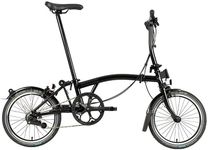
Buying Guide for the Best Lightest Folding Bike
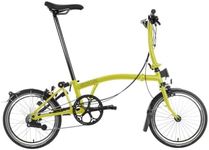
Choosing the right folding bike involves considering several key factors to ensure it meets your needs and preferences. Folding bikes are designed for convenience, portability, and ease of use, making them ideal for commuters, travelers, and those with limited storage space. To find the best fit for you, it's important to understand the key specifications and how they impact the bike's performance and usability.WeightWeight is a crucial factor for folding bikes, as it directly affects portability and ease of carrying. Lighter bikes are easier to transport, especially if you need to carry them up stairs or onto public transportation. Folding bikes typically range from around 20 to 30 pounds. If you plan to carry your bike frequently, aim for the lower end of this range. However, lighter bikes may come with a higher price tag or fewer features, so balance your need for portability with other factors.
Folded SizeThe folded size of a bike determines how compact it becomes when not in use. This is important for storage and transportation, especially if you have limited space at home or need to fit the bike into a car trunk or under a desk. Smaller folded dimensions are generally better for portability. Measure the space where you plan to store the bike and compare it with the bike's folded dimensions to ensure a good fit.
Frame MaterialThe frame material affects the bike's weight, durability, and ride quality. Common materials include aluminum, steel, and carbon fiber. Aluminum frames are lightweight and resistant to rust, making them a popular choice. Steel frames are heavier but offer a smoother ride and greater durability. Carbon fiber frames are the lightest and most expensive, providing excellent performance but at a higher cost. Choose a frame material based on your priorities for weight, durability, and budget.
Wheel SizeWheel size impacts the bike's ride quality, speed, and portability. Folding bikes typically have smaller wheels, ranging from 16 to 20 inches. Smaller wheels make the bike more compact when folded and easier to maneuver in tight spaces, but they may provide a bumpier ride and less stability at high speeds. Larger wheels offer a smoother ride and better performance on rough terrain but result in a larger folded size. Consider your riding conditions and storage needs when choosing wheel size.
Folding MechanismThe folding mechanism determines how quickly and easily you can fold and unfold the bike. There are various designs, including mid-fold, vertical fold, and triangle hinge. A simpler and more intuitive folding mechanism can save time and effort, especially if you need to fold and unfold the bike frequently. Test the folding process if possible to ensure it meets your convenience needs.
GearsGears affect the bike's versatility and ability to handle different terrains. Folding bikes can have single-speed or multiple gears. Single-speed bikes are simpler, lighter, and require less maintenance, making them ideal for flat terrains and short commutes. Bikes with multiple gears offer more flexibility for tackling hills and varied terrain but add weight and complexity. Consider the terrain you'll be riding on and your preference for simplicity versus versatility.
Comfort FeaturesComfort features such as saddle quality, handlebar design, and suspension can significantly impact your riding experience. A comfortable saddle and ergonomic handlebars can reduce strain during longer rides. Suspension systems can absorb shocks and provide a smoother ride, especially on rough surfaces. Prioritize comfort features based on the duration and conditions of your rides to ensure a pleasant experience.