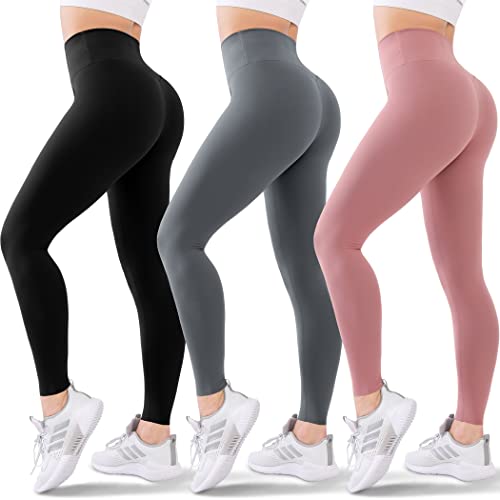
Buying Guide for the Best Leggings For Cold Weather
When choosing leggings for cold weather, it's important to consider several key factors to ensure you stay warm, comfortable, and protected from the elements. The right pair of leggings can make a significant difference in your outdoor activities, whether you're running, hiking, or simply commuting. Here are the key specifications to look for and how to choose the best fit for your needs.MaterialThe material of the leggings is crucial for warmth and comfort. Look for fabrics like fleece-lined, wool, or thermal blends that provide insulation. Fleece-lined leggings are great for their softness and warmth, making them ideal for very cold conditions. Wool leggings offer natural insulation and moisture-wicking properties, which are perfect for both warmth and keeping dry. Thermal blends often combine synthetic fibers with natural ones to offer a balance of warmth, stretch, and breathability. Choose the material based on your activity level and the severity of the cold weather.
ThicknessThickness determines how well the leggings can insulate and protect you from the cold. Thicker leggings, often with a fleece lining, are best for extremely cold temperatures and low-activity levels. Medium-thickness leggings can provide a good balance for moderate cold and higher activity levels, such as running or hiking. Thinner thermal leggings might be suitable for milder cold or as a base layer under other clothing. Consider your typical outdoor temperature and activity level to decide the appropriate thickness.
FitThe fit of the leggings affects both comfort and functionality. A snug fit helps retain body heat and prevents cold air from entering, which is essential for warmth. However, they should not be too tight to restrict movement or cause discomfort. Look for leggings with a good stretch that allows for a full range of motion. If you plan to layer them under other clothing, ensure they are not too bulky. Choose a fit that balances warmth, comfort, and mobility based on your intended use.
Moisture-WickingMoisture-wicking properties are important to keep you dry and comfortable, especially during physical activities. Leggings with moisture-wicking capabilities draw sweat away from your skin, preventing you from feeling damp and cold. This is particularly important for high-intensity activities like running or skiing. Look for materials like merino wool or synthetic blends designed to wick moisture. If you plan to engage in activities that make you sweat, prioritize leggings with good moisture-wicking properties.
Wind and Water ResistanceWind and water resistance can significantly enhance your comfort in cold weather. Leggings with wind-resistant properties help block cold air, keeping you warmer. Water-resistant or waterproof leggings are essential if you expect to encounter snow, rain, or wet conditions. These features prevent moisture from penetrating the fabric, keeping you dry and warm. Consider the typical weather conditions you will face and choose leggings with appropriate resistance to wind and water.
WaistbandThe waistband design can impact comfort and fit. A high-rise waistband provides extra coverage and warmth around your midsection, which is beneficial in cold weather. It also helps keep the leggings in place during movement. Some waistbands come with adjustable features or added insulation for extra comfort. Choose a waistband that feels comfortable and secure, especially if you plan to be active. A well-designed waistband can enhance overall comfort and performance.