Buying Guide for the Best Lawn Mower Tires
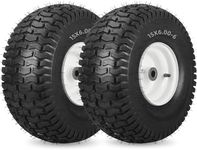
Choosing the right lawn mower tires is crucial for ensuring your mower operates efficiently and safely. The right tires can improve traction, reduce wear and tear on your lawn, and make mowing easier and more comfortable. When selecting lawn mower tires, consider the type of terrain you will be mowing, the size and weight of your mower, and the specific needs of your lawn. Here are some key specifications to consider when choosing lawn mower tires.Tire SizeTire size is a critical specification that determines the compatibility of the tire with your lawn mower. It is usually indicated by a series of numbers on the tire's sidewall, such as 15x6.00-6. The first number represents the tire's diameter, the second number is the tire's width, and the third number is the rim diameter. Choosing the correct tire size ensures proper fit and performance. Measure your current tires or check your mower's manual to find the recommended size. If you need better traction or stability, you might consider slightly wider tires, but always ensure they fit your mower's specifications.
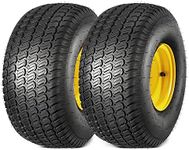
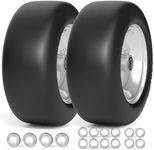
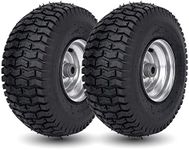
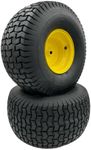
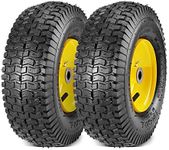
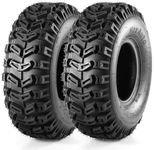
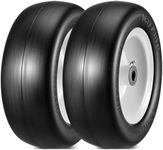
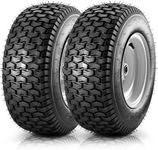
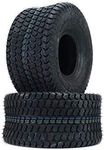
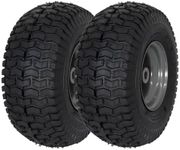
Tread PatternThe tread pattern of a tire affects its grip and performance on different types of terrain. There are several common tread patterns: turf, ribbed, and lug. Turf tires have a gentle tread that minimizes damage to grass, making them ideal for well-maintained lawns. Ribbed tires have straight grooves and are suitable for hard surfaces and light-duty mowing. Lug tires have deep, aggressive treads that provide excellent traction on rough or uneven terrain, making them ideal for hilly or muddy areas. Choose a tread pattern based on the typical conditions of your lawn and the type of mowing you do.
Ply RatingThe ply rating of a tire indicates its strength and durability. It refers to the number of layers of material used in the tire's construction. Common ply ratings for lawn mower tires are 2-ply, 4-ply, and 6-ply. A higher ply rating means the tire is more robust and can handle heavier loads and rougher terrain. For standard residential mowing on flat, even lawns, a 2-ply tire is usually sufficient. For commercial use or mowing on rough, uneven terrain, consider a 4-ply or 6-ply tire for added durability and puncture resistance.
Tire MaterialLawn mower tires are typically made from rubber, but the quality and composition of the rubber can vary. High-quality rubber tires offer better traction, durability, and resistance to wear and tear. Some tires also have additional features like puncture resistance or reinforced sidewalls. When choosing tire material, consider the conditions in which you will be mowing. If you frequently encounter sharp objects or rough terrain, opt for tires with enhanced durability features. For regular lawn maintenance, standard rubber tires should suffice.
Air-Filled vs. Solid TiresLawn mower tires can be either air-filled (pneumatic) or solid. Air-filled tires provide a smoother ride and better traction because they can conform to the terrain. However, they are susceptible to punctures and require regular maintenance to keep them properly inflated. Solid tires, on the other hand, are puncture-proof and require no maintenance, but they can provide a rougher ride and less traction on uneven terrain. Choose air-filled tires if you prioritize comfort and performance, and solid tires if you need durability and low maintenance.