Buying Guide for the Best Kids Fitness Tracker With Gps
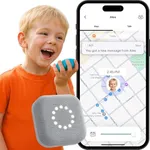
Choosing the right kids' fitness tracker with GPS can be a great way to encourage your child to stay active while also providing peace of mind for parents. When selecting a fitness tracker, it's important to consider several key specifications to ensure it meets your child's needs and your expectations. Here are some important factors to consider and how to navigate them.GPS TrackingGPS tracking allows you to monitor your child's location in real-time. This feature is crucial for safety, especially if your child is active outdoors or walking to school alone. GPS trackers can vary in accuracy and battery consumption. High-accuracy GPS is ideal for precise location tracking but may drain the battery faster. If your child spends a lot of time outdoors or you want to ensure their safety during activities, opt for a tracker with reliable GPS capabilities.
Battery LifeBattery life determines how long the fitness tracker can operate before needing a recharge. This is important because a tracker with a short battery life may not last through the day, especially if GPS is frequently used. Battery life can range from a few days to several weeks. For active children who use the tracker extensively, a longer battery life is preferable to avoid frequent recharging. Consider your child's daily routine and choose a tracker that can keep up with their activity level.
DurabilityDurability refers to how well the fitness tracker can withstand rough use, including drops, bumps, and exposure to water. Kids are often active and may not be as careful with their devices. Look for trackers that are water-resistant or waterproof and have a sturdy build. If your child is very active or participates in sports, a more durable tracker will ensure it lasts longer and can handle their lifestyle.
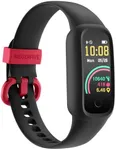
Activity Tracking FeaturesActivity tracking features monitor various physical activities such as steps taken, distance traveled, and calories burned. Some trackers also include heart rate monitoring and sleep tracking. These features are important for encouraging a healthy lifestyle and setting fitness goals. If your child is just starting with fitness tracking, basic features like step counting may be sufficient. For more active children or those involved in sports, advanced features like heart rate monitoring can provide more detailed insights.
User Interface and Ease of UseThe user interface and ease of use determine how simple it is for your child to navigate and use the fitness tracker. A child-friendly interface with easy-to-read displays and simple controls is essential. Some trackers come with companion apps that parents can use to monitor their child's activity. Choose a tracker that your child can easily understand and operate, and consider whether the companion app offers useful features for parental monitoring.
Comfort and FitComfort and fit are crucial because the tracker needs to be worn throughout the day. An uncomfortable tracker may discourage your child from wearing it. Look for adjustable bands and lightweight designs that fit snugly but comfortably on your child's wrist. If possible, let your child try on the tracker to ensure it feels good and doesn't cause irritation.
Parental Controls and Safety FeaturesParental controls and safety features allow parents to set limits and monitor their child's activity. These can include setting safe zones, receiving alerts if the child leaves a designated area, and controlling who can communicate with the child through the tracker. These features are important for ensuring your child's safety and giving you peace of mind. If safety is a top priority, look for trackers with robust parental controls and customizable safety settings.