Buying Guide for the Best Job Site Radios
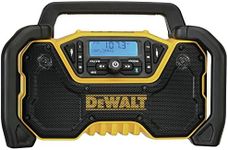
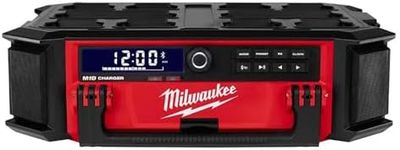
When choosing a job-site radio, it's important to consider the environment in which it will be used and the specific needs you have. Job-site radios are designed to be durable and provide quality sound in tough conditions. To find the best fit for you, focus on the key specifications that will impact performance and usability in your work setting.DurabilityDurability refers to how well the radio can withstand the harsh conditions of a job site, such as dust, water, and impacts. This is important because a durable radio will last longer and require fewer repairs or replacements. Look for radios with rugged construction, reinforced frames, and IP ratings (e.g., IP54, IP65) that indicate resistance to dust and water. If you work in particularly tough environments, opt for higher IP ratings and more robust designs.
Sound QualitySound quality is about how clear and loud the audio output is. This is crucial for ensuring you can hear the radio over the noise of a job site. Sound quality can vary based on the size and quality of the speakers. For smaller, quieter job sites, a radio with basic sound quality may suffice. For larger, noisier environments, look for radios with larger, high-quality speakers and possibly additional features like bass boost or equalizers.
Battery LifeBattery life indicates how long the radio can operate on a single charge. This is important for ensuring continuous operation throughout the workday without needing frequent recharges. Battery life can range from a few hours to over a day. Consider how long your work shifts are and whether you have access to power outlets. If you need long-lasting performance, choose a radio with a high-capacity battery or one that supports interchangeable batteries.
ConnectivityConnectivity refers to the radio's ability to connect to other devices, such as smartphones or MP3 players. This is important for playing your own music or receiving calls. Common connectivity options include Bluetooth, auxiliary inputs, and USB ports. If you want to stream music wirelessly, look for radios with Bluetooth. For direct connections, ensure the radio has the necessary input ports. Choose based on how you plan to use the radio and what devices you want to connect.
ReceptionReception is about how well the radio can pick up signals from radio stations. Good reception is important for clear and consistent audio, especially in remote or indoor job sites. Radios with strong antennas and digital tuners generally offer better reception. If you work in areas with weak signals, prioritize radios known for their excellent reception capabilities.
PortabilityPortability refers to how easy it is to move the radio around the job site. This is important for convenience and flexibility. Portability can be influenced by the radio's size, weight, and design features like handles or wheels. If you need to frequently move the radio, look for lightweight models with sturdy handles. For stationary use, portability may be less of a concern.
Additional FeaturesAdditional features can enhance the functionality and convenience of the radio. These might include built-in chargers for other devices, weather alerts, or storage compartments. While not essential, these features can add value and improve your overall experience. Consider what extra features might be useful for your specific needs and choose a radio that offers those.