Buying Guide for the Best Jiu Jitsu Gi
Choosing the right jiu-jitsu gi is essential for both comfort and performance during training and competition. A gi, also known as a kimono, is the traditional uniform worn in Brazilian Jiu-Jitsu (BJJ). When selecting a gi, it's important to consider several key specifications to ensure it meets your needs and preferences. The right gi should fit well, be durable, and suit your training style and environment.MaterialThe material of a jiu-jitsu gi is crucial for comfort, durability, and performance. Most gis are made from cotton or a cotton blend, with some incorporating ripstop fabric for added strength. Heavier materials are more durable but can be hotter and less comfortable, while lighter materials are cooler and more comfortable but may wear out faster. Choose a material that balances durability and comfort based on your training frequency and environment.
WeaveThe weave of the gi fabric affects its weight, durability, and feel. Common weaves include single weave, double weave, gold weave, and pearl weave. Single weave gis are lighter and cooler but less durable, making them suitable for beginners or hot climates. Double weave gis are heavier and more durable, ideal for intense training and competition. Gold and pearl weaves offer a balance of durability and comfort, making them popular choices for regular practitioners. Select a weave that matches your training intensity and personal comfort preferences.
Fit and SizeThe fit and size of a gi are critical for both comfort and performance. Gis come in various sizes, typically labeled A0, A1, A2, etc., with different brands having slightly different sizing charts. A well-fitting gi should allow for a full range of motion without being too loose or too tight. Consider your body type and consult sizing charts to find the best fit. Some gis also offer slim or husky fits to accommodate different body shapes. Ensure the gi fits well in the shoulders, sleeves, and pants to avoid any restrictions during training.
WeightThe weight of a gi can impact your performance and comfort, especially during long training sessions or competitions. Lightweight gis are easier to move in and cooler, making them ideal for hot climates and competitions where weight is a factor. However, they may not be as durable as heavier gis. Mid-weight gis offer a balance of durability and comfort, suitable for regular training. Heavyweight gis are very durable and can withstand intense training but may be less comfortable in hot conditions. Choose a gi weight that aligns with your training environment and personal preference.
ReinforcementsReinforcements in a gi, such as extra stitching and reinforced panels, enhance its durability and longevity. Common reinforcement areas include the knees, shoulders, and collar. These reinforcements are especially important for practitioners who train frequently or engage in intense sparring sessions. If you are a beginner or train less frequently, you may not need as many reinforcements. However, for advanced practitioners or those who train often, a gi with ample reinforcements can provide better durability and value over time.
Collar ThicknessThe thickness of the gi collar can affect both comfort and grip during training. Thicker collars are harder for opponents to grip, providing a slight advantage in certain situations. However, they can also be less comfortable and more restrictive. Thinner collars are more comfortable and flexible but easier for opponents to grab. Consider your training style and preference for comfort versus competitive advantage when choosing the collar thickness. If you compete often, a thicker collar might be beneficial, while a thinner collar may be more suitable for casual training.
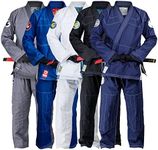
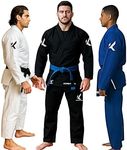
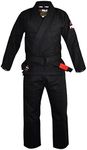
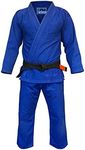
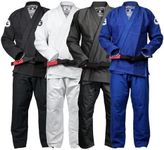
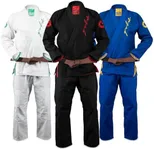
Design and AestheticsWhile not directly related to performance, the design and aesthetics of a gi can be important for personal expression and confidence. Gis come in various colors and designs, with some featuring patches, embroidery, or custom artwork. While traditional colors like white, blue, and black are common in competitions, many gyms allow a wider range of colors and designs for training. Choose a design that you feel confident and comfortable in, keeping in mind any specific requirements or restrictions from your gym or competition rules.