Buying Guide for the Best Japanese Maple Trees
Japanese maple trees are a beautiful addition to any garden or landscape, known for their stunning foliage and graceful form. When choosing a Japanese maple tree, it's important to consider several key factors to ensure you select the right tree for your specific needs and environment. Here are some key specifications to consider and how to navigate them.Tree SizeTree size refers to the mature height and spread of the Japanese maple. This is important because it determines how much space the tree will need and how it will fit into your landscape. Japanese maples can range from small, dwarf varieties that grow to about 3-6 feet tall, to larger trees that can reach up to 25 feet. If you have a small garden or want to plant the tree in a container, a dwarf variety might be best. For larger spaces, a taller variety can create a stunning focal point.
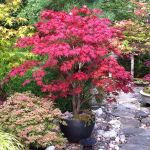
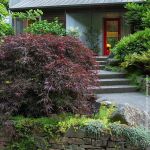
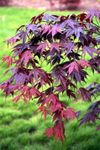
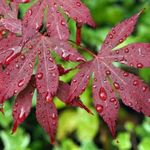
Leaf ColorLeaf color is one of the most striking features of Japanese maple trees, with colors ranging from green to red, purple, and even variegated patterns. This is important for aesthetic reasons and can greatly impact the visual appeal of your garden. Green-leaved varieties often provide a more traditional look, while red and purple leaves can add a dramatic flair. Consider the overall color scheme of your garden and choose a leaf color that complements it.
Sunlight RequirementsSunlight requirements refer to the amount of sunlight the tree needs to thrive. This is crucial because too much or too little sunlight can affect the health and appearance of the tree. Japanese maples generally prefer partial shade, especially in hotter climates, but some varieties can tolerate full sun. If your garden gets a lot of direct sunlight, look for sun-tolerant varieties. For shadier areas, most Japanese maples will do well.
Soil TypeSoil type refers to the kind of soil in which the tree will be planted. This is important because the right soil can promote healthy growth, while the wrong soil can hinder it. Japanese maples prefer well-drained, slightly acidic soil. If your soil is heavy clay or very sandy, you may need to amend it with organic matter to improve drainage and nutrient content. Testing your soil and understanding its composition can help you choose the right tree and make necessary adjustments.
Growth RateGrowth rate refers to how quickly the tree will grow to its mature size. This is important for planning and managing your garden space. Japanese maples generally have a slow to moderate growth rate, but this can vary by variety. If you want a tree that will establish quickly, look for faster-growing varieties. For a more controlled growth and long-term planning, slower-growing varieties might be preferable.
Cold HardinessCold hardiness refers to the tree's ability to withstand cold temperatures. This is crucial if you live in an area with harsh winters. Japanese maples have varying degrees of cold tolerance, with some varieties being more hardy than others. Check the USDA hardiness zone for your area and choose a variety that can survive the winter temperatures in your region. This will ensure your tree remains healthy and vibrant year after year.