Buying Guide for the Best Jaccard Meat Tenderizers
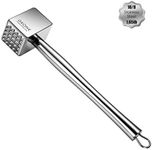
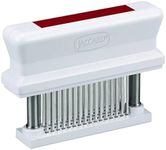
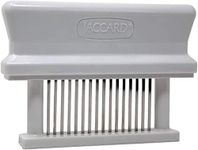
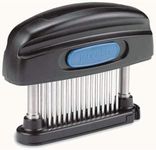
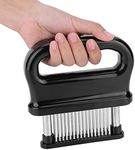
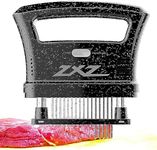
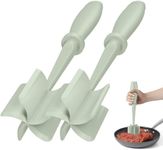
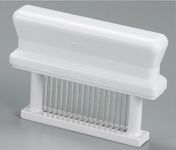
Choosing the right meat tenderizer can make a significant difference in the texture and flavor of your meat dishes. A meat tenderizer is a tool used to break down the fibers in meat, making it softer and easier to chew. When selecting a meat tenderizer, it's important to consider several key specifications to ensure you get the best fit for your cooking needs.TypeMeat tenderizers come in different types, including mallet-style, blade-style, and needle-style. Mallet-style tenderizers have a flat or textured surface and are used to pound the meat. Blade-style tenderizers have multiple blades that cut into the meat, while needle-style tenderizers use needles to pierce the meat. The type you choose depends on your preference and the kind of meat you usually cook. For example, mallet-style is great for flattening chicken breasts, while blade or needle styles are better for tougher cuts like beef.
MaterialMeat tenderizers are typically made from materials like stainless steel, aluminum, or plastic. Stainless steel is durable, easy to clean, and resistant to rust, making it a popular choice. Aluminum is lightweight and also resistant to rust but may not be as durable as stainless steel. Plastic tenderizers are lightweight and often more affordable but may not be as effective on tougher cuts of meat. Choose a material based on your durability needs and how often you plan to use the tenderizer.
Handle ComfortThe handle of the meat tenderizer should be comfortable to hold, especially if you plan to use it frequently. Look for handles with ergonomic designs that fit well in your hand and provide a good grip. Some handles are cushioned or have non-slip surfaces to reduce hand fatigue and improve control. If you have smaller hands or issues with grip strength, prioritize a tenderizer with a comfortable and easy-to-hold handle.
Ease of CleaningCleaning a meat tenderizer can be a bit tricky, especially if it has multiple blades or needles. Some tenderizers are dishwasher safe, which can save you time and effort. Others may require hand washing. Consider how easy it is to clean the tenderizer, especially if you plan to use it frequently. Blade and needle tenderizers often come with cleaning brushes to help remove meat particles from between the blades or needles.
Size and WeightThe size and weight of the meat tenderizer can affect how easy it is to use. A heavier tenderizer can be more effective at breaking down tough meat fibers but may be harder to handle for extended periods. A lighter tenderizer is easier to maneuver but may require more effort to achieve the desired tenderness. Consider your own strength and comfort level when choosing the size and weight of the tenderizer.