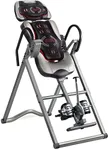
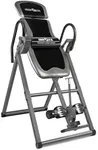
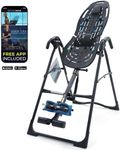
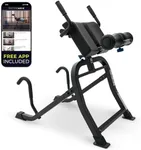
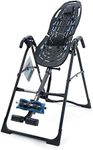
Buying Guide for the Best Inversion Tables For Back Pains
Inversion tables are a popular choice for individuals seeking relief from back pain. These devices allow you to hang upside down or at an inverted angle, which can help to decompress the spine, reduce pressure on the discs, and improve circulation. When choosing an inversion table, it's important to consider several key specifications to ensure you select the best fit for your needs. Understanding these specs will help you make an informed decision and maximize the benefits of your inversion therapy.Weight CapacityWeight capacity refers to the maximum weight that the inversion table can safely support. This spec is crucial for ensuring your safety while using the table. Inversion tables typically have weight capacities ranging from 250 to 350 pounds. To choose the right one, consider your own weight and select a table that can comfortably support you, ideally with some extra capacity for added safety.
Height RangeThe height range indicates the range of user heights that the inversion table can accommodate. This is important for ensuring that the table can be adjusted to fit your body size properly, which is essential for effective and safe inversion. Most inversion tables can accommodate users from around 4'10" to 6'6". To pick the right one, make sure the table can be adjusted to your height, allowing you to use it comfortably and effectively.
Angle AdjustmentAngle adjustment refers to the ability to set the inversion table at different angles, from a slight incline to a full 180-degree inversion. This spec is important because it allows you to gradually increase the inversion angle as you become more comfortable with the therapy. Some tables offer preset angles, while others allow for more precise adjustments. If you are new to inversion therapy, look for a table with multiple angle settings so you can start with a gentle incline and gradually work your way up to steeper angles.
Comfort FeaturesComfort features include elements like padded backrests, ankle supports, and ergonomic designs that enhance your overall experience while using the inversion table. These features are important because they can make your inversion sessions more enjoyable and reduce discomfort, especially during longer sessions. When choosing an inversion table, consider models with well-padded backrests and secure, comfortable ankle supports to ensure you can relax and benefit fully from the therapy.
Stability and SafetyStability and safety features are critical for ensuring that the inversion table remains secure and stable during use. This includes a sturdy frame, non-slip feet, and secure locking mechanisms. These features are important to prevent accidents and ensure your safety while inverting. Look for tables with a robust frame made from high-quality materials and additional safety features like safety straps or auto-locking hinges to provide peace of mind during your inversion sessions.
Ease of UseEase of use refers to how simple and convenient it is to set up, adjust, and use the inversion table. This includes features like easy-to-reach handles, simple adjustment mechanisms, and clear instructions. This spec is important because it can affect how often and effectively you use the table. Choose a table that is user-friendly, with intuitive controls and easy adjustments, so you can focus on your therapy without struggling with the equipment.
Foldability and StorageFoldability and storage refer to the ability to fold the inversion table for easy storage when not in use. This is important if you have limited space in your home. Some inversion tables are designed to fold flat, making them easier to store in a closet or under a bed. If space is a concern, look for a table that offers convenient foldability and compact storage options to keep your living area clutter-free.