Buying Guide for the Best Indoor Air Quality Monitors
Choosing the right indoor air quality monitor is essential for ensuring a healthy living environment. These devices help you keep track of various pollutants and conditions in your home, allowing you to take action to improve air quality. When selecting an indoor air quality monitor, it's important to understand the key specifications and how they relate to your specific needs. Here are the main factors to consider when making your choice.SensorsSensors are the core components of an air quality monitor, detecting various pollutants and environmental conditions. Common sensors include those for particulate matter (PM2.5 and PM10), volatile organic compounds (VOCs), carbon dioxide (CO2), carbon monoxide (CO), and humidity. The importance of each sensor depends on your specific concerns. For example, if you live in an area with high pollution, a monitor with PM2.5 and PM10 sensors is crucial. If you're worried about indoor chemicals, VOC sensors are important. Choose a monitor with sensors that match the pollutants you are most concerned about.
AccuracyAccuracy refers to how closely the monitor's readings match the actual air quality levels. This is important because inaccurate readings can lead to either unnecessary worry or a false sense of security. Accuracy can vary between models, so look for monitors that have been tested and validated by third-party organizations. For general home use, a monitor with good accuracy is sufficient, but if you need precise data for health reasons, consider a high-accuracy model.
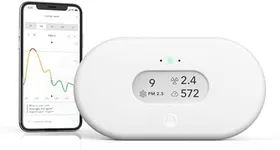
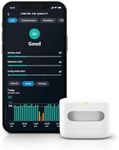
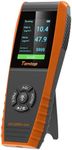
Data Display and ConnectivityData display and connectivity determine how you access and interpret the information from your air quality monitor. Some monitors have built-in displays that show real-time data, while others connect to smartphones or computers via apps. Connectivity options can include Wi-Fi, Bluetooth, or even integration with smart home systems. If you prefer immediate, on-device feedback, choose a model with a clear display. For more detailed analysis and remote monitoring, look for models with robust app support and connectivity features.
Alerts and NotificationsAlerts and notifications help you stay informed about changes in your indoor air quality. Monitors can send alerts when pollutant levels exceed safe thresholds, allowing you to take timely action. The importance of this feature depends on how proactive you want to be about air quality management. If you want to be immediately notified of any issues, choose a monitor with customizable alerts and notifications. This is especially useful for households with vulnerable individuals, such as children or the elderly.
Power SourceThe power source of an air quality monitor affects its placement and convenience. Monitors can be battery-powered, plug-in, or rechargeable. Battery-powered models offer flexibility in placement but require regular battery changes. Plug-in models provide continuous operation without the need for battery replacements but are limited by the availability of power outlets. Rechargeable models offer a balance between the two. Choose a power source that fits your lifestyle and the locations where you plan to use the monitor.
Size and PortabilitySize and portability determine how easily you can move the monitor around your home or take it with you when traveling. Smaller, portable monitors are convenient for checking air quality in different rooms or on the go, while larger, stationary models may offer more features and better accuracy. Consider your need for mobility versus the desire for a more comprehensive monitoring solution. If you need to monitor multiple areas or travel frequently, a portable model is ideal. For continuous monitoring in a fixed location, a larger model may be more suitable.