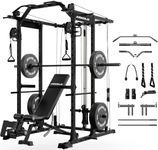
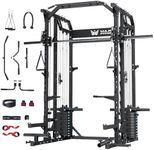
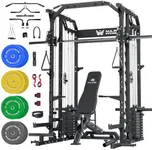
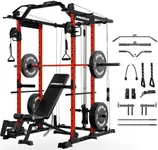
Buying Guide for the Best Home Gym Machine
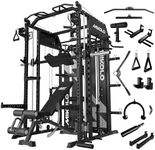
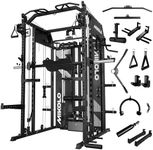
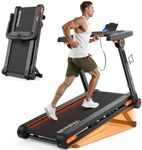
Selecting the right home gym machine is all about matching your fitness goals, available space, and preferred workout style. Some machines are designed for strength training, some for cardio, and others combine both. Before making a choice, consider who will use the machine, what kind of exercises you want to prioritize, and where you plan to install it. Always try to imagine your daily routine, the types of activities you enjoy, and think about how the machine will fit into that. Knowing your needs will help you focus on the specs that matter most and make your home gym machine a better investment for your well-being.Exercise VarietyExercise variety refers to the number and type of workouts you can perform on the machine. This is important because having more options keeps your routine interesting and helps to target different muscle groups. Machines usually offer a range from basic single-motion workouts like chest press or leg extension, to multi-functional stations that let you do dozens of exercises. For people who like targeted workouts or are beginners, fewer exercises might be enough. If you want a full-body workout or share the gym with others, look for a machine with a wider range of possible movements.
Resistance TypeResistance type determines how the machine challenges your muscles during exercise and is key for strength and progress. The main types are weight stack, plate-loaded, bands, or bodyweight. Weight stack machines are easy to adjust and safe for most users, while plate-loaded systems offer heavier resistance and are common in advanced setups. Band resistance is lighter and good for gentle workouts or portability. Bodyweight designs use your own weight for resistance, which can be great for functional fitness. Choose the resistance type based on your strength level, safety preference, and whether you want room for growth.
Size and Space RequirementsSize and space requirements describe how much room the machine takes up and how it fits into your home. This matters because you need enough space not only for the machine itself but also for workouts and movement around it. Compact machines are designed for smaller spaces, while larger multi-station machines need a dedicated area. Always measure your available space and check machine dimensions; leave room for safe movement. If your space is limited, choose a compact or foldable design, but if you have a dedicated room, you can opt for more robust equipment.
Weight CapacityWeight capacity indicates the maximum user weight the machine can safely support and sometimes also the amount of resistance you can use. This is important for both safety and for future-proofing your investment. Machines are typically rated for users under 300 pounds, but some more robust designs can handle heavier users. If you are sharing the machine or want to do advanced weight training, check both user and resistance weight limits. Always pick a machine with a higher capacity than your current weight or strength needs to ensure safety and durability.
AdjustabilityAdjustability means how easily you can change the machine’s settings—like seat height, resistance level, or workout stations. This is important for comfort and making the machine suitable for different exercises or users. Some machines are very adjustable, allowing multiple users with different heights and abilities to use them comfortably. If others in your household will use the gym, or you want to do lots of different exercises, choose a machine with multiple adjustment points. For solo or routine workouts, simpler systems may suffice.
Build Quality and MaterialsBuild quality and materials guide how durable the machine is and how long it will last with regular use. This spec matters because a well-made machine is safer and less likely to break down. Machines are usually made from steel frames with padded seats and cables. Light-duty machines are best for occasional use, while heavier, commercial-grade equipment is for daily or intense workouts. Match the build quality to your expected usage—if you plan to work out often or share with others, go for strong materials and solid construction.