Buying Guide for the Best Hiking Pants Women
Choosing the right hiking pants for women is essential for a comfortable and enjoyable outdoor experience. The right pair of hiking pants can protect you from the elements, provide comfort during long treks, and offer the durability needed for rugged trails. When selecting hiking pants, consider the environment you'll be hiking in, the weather conditions, and your personal comfort preferences. Here are some key specifications to consider when choosing hiking pants for women.MaterialThe material of hiking pants is crucial as it affects comfort, durability, and performance. Common materials include nylon, polyester, and spandex blends. Nylon is known for its durability and abrasion resistance, making it ideal for rugged trails. Polyester is lightweight and quick-drying, which is great for wet conditions. Spandex adds stretch for better mobility. Choose a material based on the type of hiking you'll be doing: for rough terrains, opt for durable fabrics like nylon; for wet or humid conditions, go for quick-drying polyester; and for activities requiring a lot of movement, consider pants with spandex for added flexibility.
FitThe fit of hiking pants can significantly impact your comfort and mobility. Hiking pants come in various fits, including slim, regular, and relaxed. Slim fit pants are more form-fitting and can be ideal for those who prefer a sleek look and less fabric bulk. Regular fit offers a balance between comfort and mobility, suitable for most hikers. Relaxed fit provides more room and is great for those who prioritize comfort over style. Choose a fit that matches your comfort preference and the type of hiking you'll be doing. For long hikes, a regular or relaxed fit may be more comfortable, while a slim fit might be better for shorter, more intense hikes.
Weather ResistanceWeather resistance is an important factor, especially if you hike in varying weather conditions. Some hiking pants come with water-resistant or waterproof coatings to keep you dry in wet conditions. Others may offer wind resistance to protect you from cold winds. Consider the typical weather conditions of your hiking destinations. If you often hike in rainy or windy areas, look for pants with good weather resistance. For dry and warm climates, breathable and lightweight pants may be more suitable.
BreathabilityBreathability refers to how well the fabric allows moisture and heat to escape, keeping you cool and dry. This is particularly important for hiking in warm or humid conditions. Pants with good breathability are usually made from lightweight, moisture-wicking materials. If you tend to sweat a lot or hike in hot climates, prioritize pants with high breathability to stay comfortable. For cooler climates, breathability might be less of a concern, and you might focus more on insulation.
Pockets and StoragePockets and storage options can add convenience to your hiking experience. Some hiking pants come with multiple pockets, including zippered ones, to securely store essentials like maps, snacks, and small tools. Consider how much storage you need based on what you typically carry. If you prefer to keep your hands free and carry minimal gear, pants with ample pocket space can be very useful. For those who use a backpack, fewer pockets might be sufficient.
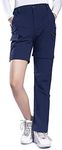
Convertible OptionsConvertible hiking pants can be transformed into shorts by zipping off the lower part of the legs. This versatility is great for hikes that start in cool mornings and warm up by midday. If you hike in areas with significant temperature changes or prefer the option to switch between pants and shorts, convertible pants can be a practical choice. However, if you prefer simplicity and don't need the versatility, standard hiking pants might be more comfortable and less bulky.
WeightThe weight of hiking pants can affect your overall comfort and energy levels during a hike. Lightweight pants are generally more comfortable and less tiring to wear over long distances. However, they may offer less durability and protection. Heavier pants are usually more durable and provide better protection against rough terrain and weather but can be more cumbersome. Choose the weight of your hiking pants based on the balance between comfort and protection you need. For long-distance hikes, lightweight pants are often preferred, while for rugged trails, heavier, more durable pants might be necessary.