Buying Guide for the Best Hiking Gaiters
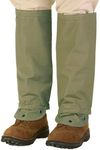
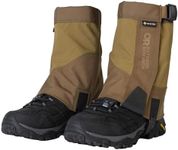
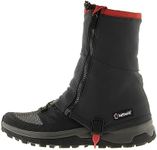
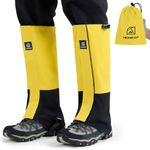
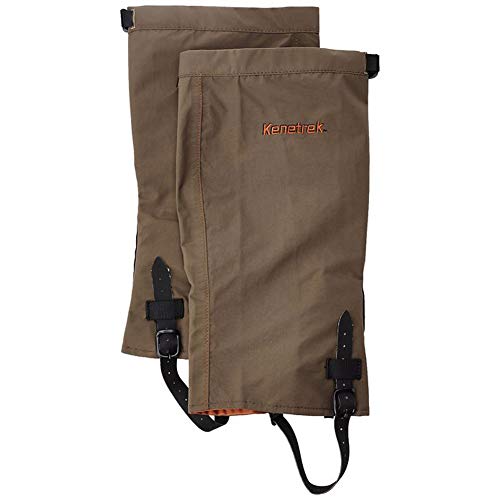
Hiking gaiters are an essential piece of gear for outdoor enthusiasts who want to protect their legs and feet from debris, water, and insects while hiking. Choosing the right pair of gaiters can make a significant difference in your comfort and safety on the trail. Here are some key specifications to consider when selecting hiking gaiters, along with explanations to help you make an informed decision.MaterialThe material of the gaiters is crucial because it determines their durability, breathability, and water resistance. Common materials include nylon, polyester, and Gore-Tex. Nylon and polyester are lightweight and durable, making them suitable for general hiking. Gore-Tex is a breathable, waterproof material ideal for wet conditions. Choose a material based on the typical weather and terrain you will encounter. For dry, rocky trails, lightweight nylon or polyester may suffice, while for wet, muddy conditions, Gore-Tex is a better option.
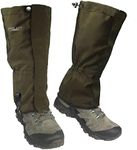
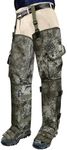
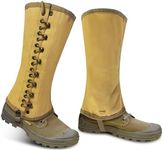
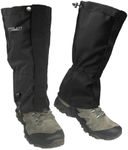
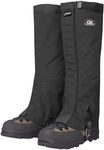
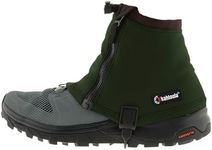
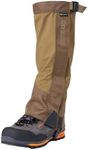
HeightGaiters come in different heights, such as ankle, mid-calf, and knee-high. The height you choose depends on the level of protection you need. Ankle gaiters are suitable for light hiking and trail running, providing basic protection against debris. Mid-calf gaiters offer more coverage and are ideal for moderate hiking in varied terrain. Knee-high gaiters provide maximum protection and are best for deep snow, thick brush, or wet conditions. Consider the type of hiking you do most often to determine the appropriate height.
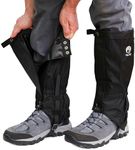
Closure SystemThe closure system of gaiters affects how easy they are to put on and take off, as well as how secure they stay on your legs. Common closure systems include zippers, Velcro, and snap buttons. Zippers provide a secure fit but can be challenging to operate with gloves. Velcro is easy to adjust and use but may wear out over time. Snap buttons are durable and reliable but can be less adjustable. Choose a closure system that balances ease of use and security based on your preferences and typical hiking conditions.
Fit and SizeProper fit and size are essential for gaiters to function effectively. Gaiters should fit snugly around your boots and legs without being too tight or too loose. Most gaiters come in various sizes, so refer to the manufacturer's sizing chart to find the right fit. Consider the type of footwear you will be using with the gaiters, as bulky boots may require larger sizes. A well-fitting gaiter will stay in place and provide optimal protection throughout your hike.
WeightThe weight of the gaiters can impact your overall comfort and mobility on the trail. Lightweight gaiters are ideal for fast-paced activities like trail running or light hiking, as they add minimal bulk. Heavier gaiters, while more durable and protective, may be better suited for challenging conditions such as deep snow or rugged terrain. Consider the balance between protection and weight based on your typical hiking activities and personal preference for comfort.
Water ResistanceWater resistance is a critical feature for gaiters, especially if you hike in wet or snowy conditions. Gaiters with water-resistant or waterproof materials, such as Gore-Tex, will keep your feet and lower legs dry. Look for gaiters with sealed seams and durable water repellent (DWR) coatings for added protection. If you frequently hike in wet environments, prioritize gaiters with high water resistance to ensure your comfort and safety.
BreathabilityBreathability is important to prevent your legs from becoming too sweaty and uncomfortable during hikes. Materials like Gore-Tex offer a good balance of breathability and water resistance. If you hike in warm or humid conditions, look for gaiters with breathable fabrics to allow moisture to escape. This will help keep your legs dry and comfortable, reducing the risk of blisters and chafing.