Buying Guide for the Best Hiking Essentials
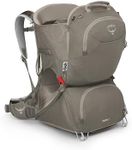
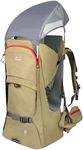
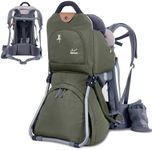
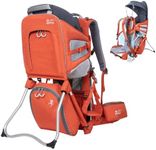
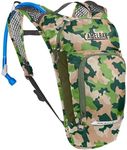
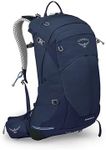
When it comes to hiking, having the right essentials can make a significant difference in your experience. The key is to choose items that are suitable for your specific needs, the type of hiking you plan to do, and the environment you'll be in. Here are some important factors to consider when selecting your hiking essentials.BackpackA backpack is crucial for carrying all your hiking gear. The size and type of backpack you need depend on the length of your hike and the amount of gear you plan to bring. For day hikes, a smaller, lightweight backpack (15-30 liters) is usually sufficient. For multi-day hikes, you'll need a larger pack (40-70 liters) with more storage space and support. Look for features like padded straps, multiple compartments, and a hydration reservoir compatibility to enhance comfort and convenience.
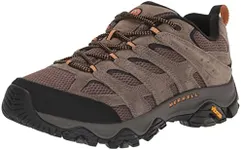
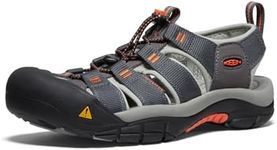
FootwearProper footwear is essential for comfort and safety on the trail. Hiking boots or shoes should provide good support, traction, and protection. Lightweight hiking shoes are suitable for well-maintained trails and shorter hikes, while mid to high-cut boots offer more ankle support and are better for rough terrain and longer hikes. Waterproof options are ideal for wet conditions. Make sure to choose footwear that fits well and is broken in before your hike to prevent blisters and discomfort.
ClothingThe right clothing can keep you comfortable and protected from the elements. Layering is key: start with a moisture-wicking base layer to keep sweat away from your skin, add an insulating layer for warmth, and top it off with a waterproof and windproof outer layer. Choose materials like synthetic fabrics or merino wool that dry quickly and provide good insulation. Don't forget a hat and gloves for sun protection and warmth, respectively.
Navigation ToolsNavigation tools like a map, compass, or GPS device are essential for finding your way on the trail. Even if you're hiking a well-marked path, it's important to have a backup in case you get lost or the trail markers are unclear. A map and compass are reliable and don't require batteries, while a GPS device can provide more detailed information and track your progress. Choose the tools that you are most comfortable using and make sure you know how to use them before your hike.
HydrationStaying hydrated is crucial for maintaining energy and preventing dehydration. Carry enough water for the duration of your hike, and consider bringing a water filter or purification tablets if you plan to refill from natural sources. Hydration bladders are convenient for easy access to water while hiking, while water bottles are more versatile and can be used for other purposes. Plan to drink at least half a liter of water per hour of moderate activity in moderate temperatures.
FoodBringing the right food can keep your energy levels up and make your hike more enjoyable. Choose lightweight, non-perishable, and nutrient-dense foods that are easy to eat on the go. Trail mix, energy bars, dried fruit, and jerky are popular options. For longer hikes, consider bringing meals that can be easily prepared with minimal equipment, such as dehydrated meals or instant noodles. Make sure to pack enough food to sustain you for the entire hike, plus a little extra in case of emergencies.
First Aid KitA first aid kit is essential for treating minor injuries and managing emergencies on the trail. Your kit should include items like bandages, antiseptic wipes, pain relievers, blister treatment, and any personal medications you may need. For longer or more remote hikes, consider adding items like a splint, emergency blanket, and a whistle. Customize your first aid kit based on the length and difficulty of your hike, and make sure you know how to use all the items it contains.
Emergency ShelterAn emergency shelter can provide protection from the elements if you get caught in bad weather or need to spend an unexpected night outdoors. Options include lightweight tents, bivy sacks, or emergency blankets. Choose a shelter that is appropriate for the conditions you might encounter and that you can easily carry in your backpack. Even on a day hike, having some form of emergency shelter can be a lifesaver in case of an unexpected situation.
LightingA reliable light source is important for visibility and safety, especially if your hike extends into the evening or if you need to navigate in low-light conditions. Headlamps are a popular choice because they keep your hands free, but flashlights and lanterns can also be useful. Look for lights with adjustable brightness and a long battery life. Always carry extra batteries or a backup light source to ensure you won't be left in the dark.
Multi-tool or KnifeA multi-tool or knife can be incredibly useful for a variety of tasks on the trail, from preparing food to making repairs. Choose a tool that includes the features you are most likely to need, such as a knife blade, scissors, pliers, and screwdrivers. A lightweight, compact multi-tool is ideal for hiking, as it won't add much weight to your pack but can still provide a lot of functionality. Make sure you know how to safely use all the tools included.