Buying Guide for the Best Heavy Flatware
Choosing the right heavy flatware involves considering several key factors to ensure you get a set that meets your needs and preferences. Heavy flatware is often preferred for its durability, balance, and the substantial feel it provides during use. Here are some important specifications to consider when selecting heavy flatware, along with explanations to help you make an informed decision.MaterialThe material of the flatware is crucial as it affects durability, appearance, and maintenance. Common materials include stainless steel, silver-plated, and sterling silver. Stainless steel is popular for its resistance to rust and staining, and it comes in different grades like 18/10, 18/8, and 18/0, with 18/10 being the highest quality. Silver-plated flatware has a layer of silver over a base metal, offering a classic look but requiring more care. Sterling silver is the most luxurious and durable but also the most expensive and requires regular polishing. Choose a material based on your preference for maintenance, appearance, and budget.
WeightWeight is a defining characteristic of heavy flatware and contributes to its feel and balance. Heavier flatware often feels more substantial and balanced in the hand, which many people find more comfortable and elegant. Flatware weight can be categorized into light, medium, and heavy. Heavy flatware typically weighs more than 100 grams per piece. If you prefer a more substantial feel and a sense of durability, opt for heavier pieces. However, ensure the weight is comfortable for all users, especially if you have children or elderly family members.
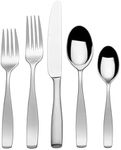
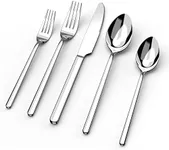
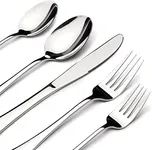
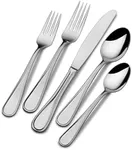
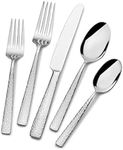
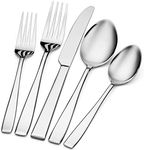
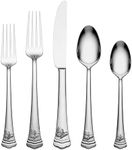
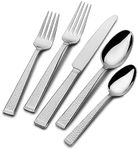
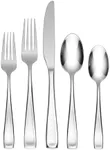
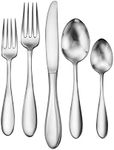
Design and StyleThe design and style of flatware can enhance your dining experience and complement your table setting. Designs range from modern and sleek to traditional and ornate. Consider the overall aesthetic of your dining area and choose a style that matches or enhances it. For a contemporary look, opt for clean lines and minimalistic designs. For a more classic or formal setting, intricate patterns and embellishments may be more suitable. Your personal taste and the occasions you plan to use the flatware for should guide your choice.
Balance and ErgonomicsBalance and ergonomics are important for comfort and ease of use. Well-balanced flatware feels comfortable in the hand and is easy to maneuver. Ergonomically designed flatware has handles that fit comfortably in your hand, reducing strain during use. Test the flatware if possible to ensure it feels right for you. Consider the handle length and shape, as these can affect how comfortable the flatware is to use, especially during long meals.
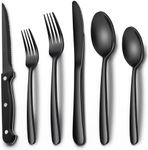
FinishThe finish of the flatware affects both its appearance and how it feels in your hand. Common finishes include mirror, satin, and matte. A mirror finish is highly polished and shiny, giving a more formal and elegant look but showing fingerprints and scratches more easily. A satin finish has a softer, more understated sheen and is better at hiding fingerprints and minor scratches. A matte finish is less common but offers a modern, non-reflective look. Choose a finish that matches your aesthetic preferences and consider how much maintenance you are willing to perform to keep the flatware looking its best.
Number of PiecesFlatware sets come in various sizes, typically ranging from 20-piece sets to 65-piece sets or more. A standard 20-piece set usually includes four place settings, each with a dinner fork, salad fork, dinner knife, soup spoon, and teaspoon. Larger sets may include additional serving pieces like serving spoons, butter knives, and more. Consider the size of your household and how often you entertain guests. If you frequently host large gatherings, a larger set with more place settings and serving pieces may be more practical.