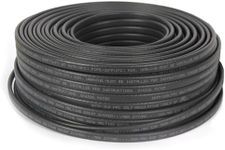
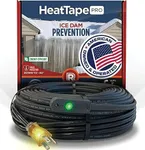
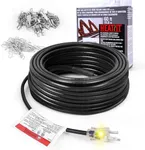
Buying Guide for the Best Heating Cable For Gutters
Choosing the right heating cable for your gutters is essential to prevent ice dams and ensure proper water drainage during the winter months. Heating cables, also known as heat tapes, are designed to keep your gutters and downspouts free from ice buildup. When selecting a heating cable, it's important to consider several key specifications to ensure you get the best fit for your needs. Here are the key specs you should focus on and how to navigate them.Cable LengthCable length refers to the total length of the heating cable. This is important because you need a cable that is long enough to cover the entire area of your gutters and downspouts that you want to keep ice-free. To determine the right length, measure the length of your gutters and downspouts, and consider any additional areas where you might need extra coverage. Heating cables come in various lengths, so choose one that matches your measurements closely.
WattageWattage indicates the power output of the heating cable. Higher wattage means more heat output, which can be more effective in extremely cold climates. However, higher wattage also means higher energy consumption. For moderate climates, a lower wattage cable may be sufficient. Consider your local winter temperatures and the severity of ice buildup when choosing the wattage. Typically, cables range from 5 watts per foot to 12 watts per foot.
Self-Regulating vs. Constant WattageSelf-regulating cables adjust their heat output based on the surrounding temperature, becoming warmer as it gets colder and cooler as it warms up. This makes them energy-efficient and safer, as they reduce the risk of overheating. Constant wattage cables provide a steady amount of heat regardless of the temperature. If you want a more energy-efficient and low-maintenance option, self-regulating cables are the way to go. Constant wattage cables can be a good choice for consistent heating needs.
Durability and Weather ResistanceDurability and weather resistance are crucial because the heating cable will be exposed to harsh winter conditions. Look for cables that are UV-resistant, waterproof, and designed to withstand freezing temperatures. This ensures that the cable will last longer and perform reliably throughout the winter. Check for product specifications that mention these features to ensure you are getting a durable product.
Ease of InstallationEase of installation is important, especially if you plan to install the heating cable yourself. Some cables come with clips, spacers, and detailed instructions to make the installation process straightforward. Others may require professional installation. Consider your comfort level with DIY projects and choose a cable that matches your installation capabilities. Reading user reviews can also provide insights into the ease of installation.
Safety FeaturesSafety features such as built-in thermostats, ground fault circuit interrupters (GFCI), and thermal cutoffs are important to prevent overheating and electrical hazards. These features ensure that the heating cable operates safely and efficiently. Look for cables that include these safety features to protect your home and ensure peace of mind during operation.