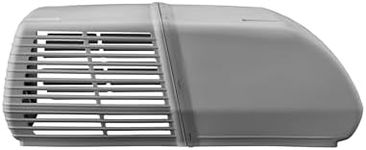
Buying Guide for the Best Heat Pump For Rv
Choosing the right heat pump for your RV is crucial for ensuring comfort during your travels, regardless of the weather. A heat pump can provide both heating and cooling, making it a versatile and efficient option for maintaining a comfortable temperature inside your RV. When selecting a heat pump, it's important to consider several key specifications to ensure you get the best fit for your needs. Understanding these specifications will help you make an informed decision and choose a heat pump that meets your requirements for performance, efficiency, and convenience.BTU RatingThe BTU (British Thermal Unit) rating measures the heat pump's heating and cooling capacity. This spec is important because it determines how effectively the heat pump can regulate the temperature in your RV. BTU ratings typically range from 5,000 to 15,000 BTUs for RV heat pumps. For smaller RVs, a lower BTU rating (around 5,000-8,000 BTUs) may be sufficient, while larger RVs may require a higher BTU rating (10,000-15,000 BTUs) to ensure adequate heating and cooling. To pick the right BTU rating, consider the size of your RV and the typical climate conditions you will encounter.
Energy Efficiency Ratio (EER)The Energy Efficiency Ratio (EER) measures the heat pump's efficiency in converting electricity into heating or cooling. A higher EER indicates a more efficient unit, which can save you money on energy costs and reduce your environmental impact. EER values typically range from 8 to 12 for RV heat pumps. If you prioritize energy efficiency and want to minimize power consumption, look for a heat pump with a higher EER. This is especially important if you often rely on limited power sources, such as solar panels or batteries, during your travels.
Noise LevelThe noise level of a heat pump is an important consideration, especially in the confined space of an RV. Noise levels are usually measured in decibels (dB), and lower values indicate quieter operation. Heat pumps can range from 40 dB (quiet) to 70 dB (louder). If you are sensitive to noise or plan to use the heat pump while sleeping, look for a model with a lower noise level. Quieter units are generally more comfortable to live with and can enhance your overall RV experience.
Size and WeightThe size and weight of the heat pump are crucial factors to consider, as they affect the installation process and the overall balance of your RV. Heat pumps come in various sizes and weights, and it's important to choose one that fits the available space and does not exceed the weight capacity of your RV. Measure the space where you plan to install the heat pump and check the manufacturer's specifications to ensure a proper fit. Additionally, consider the ease of installation and whether you will need professional assistance.
Power Source CompatibilityHeat pumps for RVs can be powered by different sources, such as electricity, propane, or a combination of both. It's important to choose a heat pump that is compatible with your RV's power system. Electric heat pumps are common and can be powered by shore power, generators, or solar panels. Propane heat pumps are useful for off-grid camping but require a steady supply of propane. Consider your typical power availability and choose a heat pump that aligns with your power sources to ensure reliable operation.
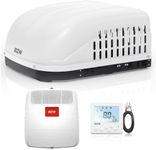
Thermostat and Control FeaturesModern heat pumps often come with advanced thermostat and control features, such as programmable settings, remote controls, and smartphone compatibility. These features can enhance convenience and allow you to maintain a comfortable temperature with minimal effort. Look for a heat pump with user-friendly controls that suit your preferences. If you enjoy high-tech solutions, consider models with smart home integration or remote access capabilities. For those who prefer simplicity, basic manual controls may be sufficient.