Buying Guide for the Best Headphones
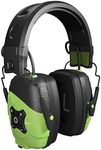
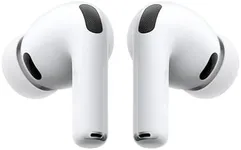
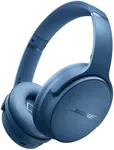
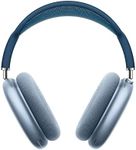
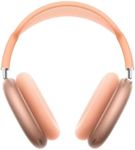
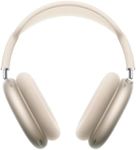
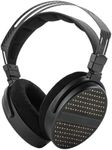
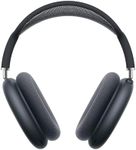
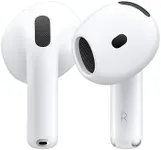
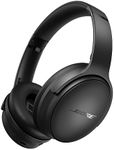
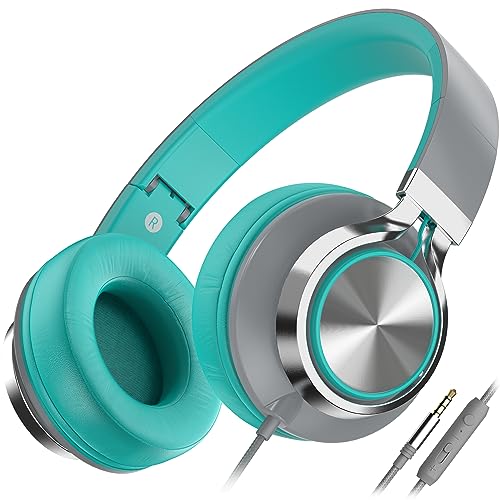
Choosing the right headphones can make a big difference in your daily life, whether you’re listening to music, taking calls, or watching movies. The selection process should start with thinking about where and how you plan to use your headphones most often—at home, while commuting, at the gym, or for gaming. Consider comfort and style, but also pay close attention to key specifications that affect how they’ll sound, how easy they are to use, and how long they’ll last between charges. Understanding these specifications will help you pick headphones that fit your lifestyle and needs best.Type (Over-Ear / On-Ear / In-Ear)The type refers to the way headphones fit on or in your ears. Over-ear headphones have large cushions that surround your ears, which is great for comfort and blocking out noise, making them ideal for home use or long sessions. On-ear headphones sit on top of your ears and are usually more compact; they balance comfort and portability but may let in a bit more outside noise. In-ear headphones, or earbuds, fit inside your ear canal and are the most portable, perfect for active use or travel. To choose the right type, think about where you’ll wear them most and what level of comfort and noise isolation you want.
Noise cancellationNoise cancellation blocks out unwanted sounds from your surroundings. This can be active, where electronics create anti-noise to cancel sound, or passive, where the design physically blocks noise. Noise cancellation is especially important if you use headphones in noisy places like airplanes or busy offices. If you plan to use headphones mostly at home or in quiet environments, it might not be as necessary. Consider how much you’re bothered by outside noise and whether you need a quiet listening experience.
Wired or WirelessHeadphones can connect via a cable (wired) or through Bluetooth (wireless). Wired headphones typically have more reliable sound quality and don’t need to be charged, which is great for longer or more critical listening sessions. Wireless headphones offer more convenience, letting you move freely without being tethered, which is perfect for commuting, working out, or multitasking. Choose wired if you value consistent sound and don’t want to worry about charging, or wireless for flexibility and ease of use.
Battery lifeBattery life indicates how long wireless headphones will last on a single charge. Some last a few hours while others can go a full day or more. Shorter battery life may be fine if you only use headphones for short periods or can easily recharge, but for travel or extended use, look for longer battery life. Think about how often you’ll use your headphones and if you have access to charging them during the day.
Sound quality (Frequency Response, Drivers)Sound quality includes several technical aspects, but two important ones are frequency response and driver size. Frequency response describes the range of sounds the headphones can produce, usually measured in hertz (Hz); a wider range can capture more detail, but most music is within the human hearing range. Bigger drivers (measured in millimeters) can often produce richer sound, especially bass, but it also depends on the headphone's design. If you love rich bass or crystal-clear detail, check for headphones with good frequency response and suitable driver size. Your listening preference—casual music, movies, podcasts, or gaming—can guide which kind of sound quality matters most to you.
Comfort and FitComfort and fit depend on the materials, padding, headband adjustability, and weight of the headphones. Heavier or non-adjustable headphones can cause discomfort, especially during long use. Over-ear and on-ear headphones should have soft cushions, and in-ear models should offer multiple tip sizes. If you plan to use headphones for hours at a time, prioritize comfort features, and try them on if possible.
Microphone and ControlsMany headphones have built-in microphones and controls for calls, volume, and music playback. Microphones are vital if you’ll use headphones for calls or online meetings. Controls on the earcup or cable can save you from reaching for your device. Consider these features if you value hands-free usage or plan to use headphones for communication as much as for listening.
Durability and Water ResistanceThe durability of headphones refers to how well they withstand wear and tear, while water resistance is crucial for sports or outdoor use. Look for tough materials, reinforced cables, and water or sweat resistance ratings (like IPX4 or higher) if you’ll use them for workouts or outside. If you mostly listen indoors, standard durability may be sufficient. Match the build quality to where and how you plan to use your headphones most.