Buying Guide for the Best Guitar Tools
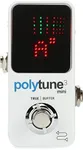
Choosing the right guitar tools is essential for maintaining and enhancing your guitar's performance. Whether you're a beginner or a seasoned player, having the right tools can make a significant difference in your playing experience. The key is to understand what each tool does and how it can benefit your guitar. Here are some important specifications to consider when selecting guitar tools.TunerA tuner is a device that helps you adjust the pitch of your guitar strings to the correct notes. This is crucial for ensuring your guitar sounds good and is in tune with other instruments. Tuners can be clip-on, pedal, or app-based. Clip-on tuners are portable and easy to use, making them great for beginners. Pedal tuners are ideal for live performances as they can be integrated into your pedalboard. App-based tuners are convenient and often free, but they may not be as accurate as dedicated devices. Choose a tuner based on your playing environment and accuracy needs.
CapoA capo is a tool that clamps down on the guitar's neck at a specific fret, effectively changing the pitch of the strings. This allows you to play in different keys without changing your finger positions. Capos are important for playing songs in various keys and for experimenting with different sounds. They come in different designs, such as spring-loaded, screw, and toggle. Spring-loaded capos are easy to use and quick to move, making them suitable for live performances. Screw capos offer more precise tension control, which is great for studio work. Toggle capos are lightweight and simple, ideal for casual playing. Choose a capo based on your playing style and the ease of use you prefer.
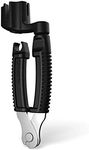
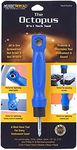
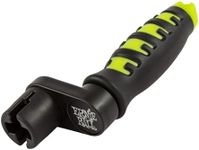
String WinderA string winder is a tool that helps you quickly and easily wind and unwind guitar strings. This is particularly useful when changing strings, as it saves time and effort. String winders can be manual or electric. Manual winders are affordable and straightforward, making them a good choice for occasional string changes. Electric winders are faster and more efficient, ideal for frequent string changes or for those who want to minimize effort. Consider how often you change strings and your preference for speed and convenience when choosing a string winder.
Guitar PicksGuitar picks, or plectrums, are small tools used to strum or pluck the strings. They come in various shapes, sizes, and materials, each affecting the sound and playability. Picks are important for achieving different tones and for protecting your fingers during extended playing sessions. Thin picks (0.38-0.73mm) are flexible and produce a lighter sound, suitable for strumming. Medium picks (0.73-0.88mm) offer a balance between flexibility and rigidity, making them versatile for both strumming and picking. Thick picks (0.88-1.2mm and above) are rigid and produce a fuller sound, ideal for precise picking and lead playing. Choose picks based on your playing style and the sound you want to achieve.
Guitar StrapA guitar strap is a tool that allows you to play your guitar while standing. It supports the weight of the guitar and helps you maintain a comfortable playing position. Straps are important for live performances and for practicing standing up. They come in various materials, such as nylon, leather, and cotton. Nylon straps are durable and affordable, making them a good choice for beginners. Leather straps offer more comfort and durability, ideal for extended playing sessions. Cotton straps are soft and comfortable, suitable for casual playing. Choose a strap based on your comfort preferences and the weight of your guitar.
Guitar CaseA guitar case is a protective cover for your guitar, essential for transporting and storing your instrument safely. Cases are important for preventing damage from impacts, dust, and humidity. They come in two main types: hard cases and gig bags. Hard cases offer maximum protection with a rigid exterior, making them ideal for frequent travel and for protecting high-end guitars. Gig bags are lighter and more portable, suitable for casual transport and for those who need a more convenient carrying option. Choose a case based on how often you travel with your guitar and the level of protection you need.