Buying Guide for the Best Generator Brands
Choosing the right generator can be a crucial decision, especially if you need reliable backup power for your home, business, or outdoor activities. To make an informed choice, it's important to understand the key specifications and features that differentiate various models. By focusing on these aspects, you can find a generator that best fits your specific needs and usage scenarios.Power Output (Wattage)Power output, measured in watts, indicates how much electricity the generator can produce. This is crucial because it determines what and how many devices you can run simultaneously. Generators typically range from small portable units with 1,000-2,000 watts, suitable for camping and small appliances, to larger standby generators with 10,000 watts or more, which can power an entire home. To choose the right wattage, list the devices you need to power and their wattage requirements, then select a generator that can handle the total load.
Fuel TypeGenerators can run on various fuels, including gasoline, diesel, propane, and natural gas. The fuel type affects the generator's efficiency, cost of operation, and convenience. Gasoline generators are common and easy to refuel but may not be as efficient for long-term use. Diesel generators are more fuel-efficient and durable but can be noisier. Propane and natural gas generators offer cleaner burning and longer shelf life for the fuel. Choose a fuel type based on availability, cost, and your specific needs, such as portability or long-term use.
Run TimeRun time refers to how long a generator can operate on a full tank of fuel. This is important for planning how often you'll need to refuel, especially during extended power outages. Generators with longer run times are more convenient and require less frequent refueling. Run times can vary widely, from a few hours to over 24 hours, depending on the generator's size and fuel efficiency. Consider your typical usage scenarios and choose a generator with a run time that matches your needs.
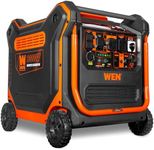
PortabilityPortability is a key factor if you need to move the generator frequently or use it in different locations. Portable generators are designed with wheels and handles for easy transport, making them ideal for camping, tailgating, or job sites. However, they usually have lower power output compared to stationary models. If you need a generator for home backup power and don't plan to move it, a larger, stationary model might be more suitable. Assess your mobility needs and choose accordingly.
Noise LevelThe noise level of a generator, measured in decibels (dB), can significantly impact your comfort, especially in residential areas or during outdoor activities. Quieter generators are more pleasant to be around and less likely to disturb neighbors. Noise levels can range from around 50 dB (similar to a conversation) to over 80 dB (similar to a lawnmower). If noise is a concern, look for generators specifically designed to operate quietly, often labeled as 'inverter generators.' Consider where and how you will use the generator to determine the acceptable noise level.
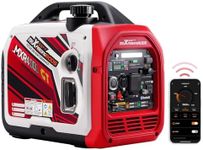
Starting MechanismGenerators can have different starting mechanisms, including manual recoil start, electric start, and remote start. Manual recoil start requires pulling a cord, which can be physically demanding. Electric start is more convenient, using a push-button or key to start the generator. Remote start allows you to start the generator from a distance using a remote control. Choose a starting mechanism based on your preference for convenience and ease of use. Electric and remote starts are particularly useful for those who may have difficulty with manual recoil starts.
Safety FeaturesSafety features are essential to protect both the generator and the user. Common safety features include automatic shutoff for low oil levels, overload protection, and carbon monoxide detectors. These features help prevent damage to the generator and reduce the risk of accidents. When choosing a generator, prioritize models with robust safety features, especially if you plan to use the generator in enclosed or residential areas. Safety should always be a top consideration to ensure reliable and hazard-free operation.