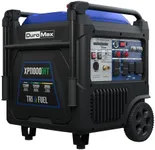
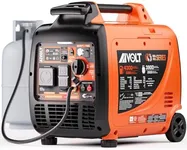
Buying Guide for the Best Gasoline Generators
Choosing the right gasoline generator can be a daunting task, but with the right approach, you can find the perfect fit for your needs. Gasoline generators are versatile and can be used for various purposes, such as providing backup power during outages, powering tools on a job site, or even for recreational activities like camping. To make an informed decision, it's important to understand the key specifications and how they relate to your specific needs.Power Output (Wattage)Power output, measured in watts, indicates how much electricity the generator can produce. This is crucial because it determines what and how many devices you can power simultaneously. Generators typically range from 1,000 watts to over 10,000 watts. For small appliances and camping, a generator with 1,000 to 2,000 watts may suffice. For home backup power, look for 3,000 to 5,000 watts. For heavy-duty use, such as on construction sites, you might need 6,000 watts or more. Assess your power needs by listing the devices you plan to run and their wattage requirements.
Fuel Tank CapacityThe fuel tank capacity determines how long the generator can run before needing a refill. This is important for convenience and efficiency, especially during extended power outages or long workdays. Smaller generators may have tanks that hold 1 to 2 gallons, providing a few hours of runtime. Larger models can have tanks holding 5 to 10 gallons or more, offering extended operation. Choose a generator with a fuel tank size that matches your expected usage duration without frequent refueling.
PortabilityPortability refers to how easy it is to move the generator around. This is important if you plan to use the generator in different locations or need to store it when not in use. Portable generators often come with wheels and handles for easier transport. Smaller, lightweight models are ideal for camping or occasional use, while larger, heavier models with robust wheels are better for home backup or job sites. Consider your mobility needs and storage space when selecting a generator.
Noise LevelThe noise level of a generator, measured in decibels (dB), is important for comfort and compliance with local noise regulations. Generators can be quite loud, which can be disruptive in residential areas or during quiet activities like camping. Noise levels typically range from 50 dB (quiet) to over 80 dB (loud). For camping or residential use, look for generators with noise levels below 60 dB. For job sites, noise may be less of a concern, but still consider the impact on the surrounding environment.
Starting MechanismThe starting mechanism determines how you start the generator. Common options include recoil (pull-start), electric start, and remote start. Recoil start is manual and requires physical effort, suitable for smaller, less frequently used generators. Electric start is more convenient, using a push-button or key, ideal for regular use and larger models. Remote start allows you to start the generator from a distance, adding convenience for home backup systems. Choose a starting mechanism based on your preference for ease of use and frequency of operation.
Outlets and ConnectivityThe number and types of outlets on a generator determine what devices you can connect. This is important for ensuring compatibility with your appliances and tools. Common outlets include standard 120V household outlets, 240V outlets for larger appliances, and USB ports for charging electronics. Some generators also offer RV-ready outlets or twist-lock plugs for secure connections. Assess your power needs and ensure the generator has the appropriate outlets for your devices.
Fuel Efficiency and RuntimeFuel efficiency and runtime indicate how long a generator can run on a full tank of gas. This is important for cost-effectiveness and convenience, especially during prolonged use. Fuel-efficient models can run longer on less fuel, reducing the frequency of refueling. Runtime varies based on the load, with lighter loads extending the runtime. Look for generators with features like eco-mode, which adjusts the engine speed to match the load, improving fuel efficiency. Choose a generator with a runtime that meets your expected usage patterns.
Maintenance and DurabilityMaintenance and durability are crucial for the long-term reliability of your generator. This includes how easy it is to perform routine maintenance tasks like oil changes, air filter replacements, and spark plug checks. Durable generators are built with high-quality materials and components, ensuring they can withstand regular use and harsh conditions. Look for models with user-friendly maintenance features and robust construction. Consider your willingness and ability to perform maintenance when selecting a generator.