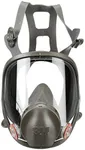
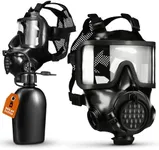
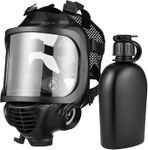
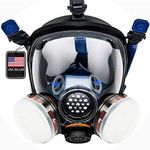
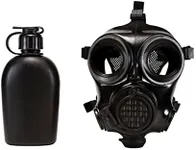
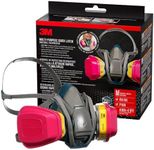
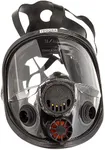
Buying Guide for the Best Gas Mask For Chemical Warfare
Choosing the right gas mask for chemical warfare is crucial for ensuring your safety in hazardous environments. A gas mask is designed to protect you from inhaling dangerous substances, including chemicals, biological agents, and radioactive particles. When selecting a gas mask, it's important to consider several key specifications to ensure it meets your needs and provides adequate protection. Here are the key specs you should focus on and how to navigate them.Filter TypeThe filter type is one of the most critical components of a gas mask. It determines what kind of contaminants the mask can protect you from. Filters are usually categorized based on the type of threat they are designed to counter, such as chemical, biological, radiological, and nuclear (CBRN) threats. When choosing a filter, consider the specific threats you are most likely to encounter. For example, if you are preparing for chemical warfare, ensure the filter is rated for chemical agents. Filters are often labeled with codes and color bands indicating their capabilities, so familiarize yourself with these markings to make an informed choice.
Fit and ComfortA gas mask must fit snugly on your face to provide effective protection. Fit and comfort are essential because a poorly fitting mask can allow contaminants to bypass the filter. Masks come in different sizes, so it's important to choose one that fits your face shape and size. Look for masks with adjustable straps and a flexible nose piece to ensure a secure fit. Comfort is also important, especially if you need to wear the mask for extended periods. Consider masks with padded edges and lightweight materials to reduce discomfort.
Material and DurabilityThe material and durability of a gas mask are important for ensuring it can withstand harsh conditions. Masks are typically made from materials like rubber, silicone, or other synthetic compounds that provide a good seal and are resistant to chemicals. Durability is crucial, especially in a chemical warfare scenario where the mask may be exposed to corrosive substances. Choose a mask made from high-quality materials that can endure rough handling and extreme environments. Check for certifications and standards that indicate the mask's reliability and performance.
VisibilityVisibility is another important factor to consider when selecting a gas mask. A mask with a wide field of view allows you to see your surroundings clearly, which is essential for situational awareness and safety. Look for masks with large, clear lenses that are resistant to fogging and scratching. Some masks come with anti-fog coatings or dual-lens systems to maintain visibility in various conditions. If you wear glasses, consider a mask that can accommodate them or has prescription lens inserts.
Breathing ResistanceBreathing resistance refers to how easily you can breathe through the mask. High breathing resistance can cause discomfort and fatigue, especially during physical activity. Masks with low breathing resistance allow for easier inhalation and exhalation, making them more comfortable to wear for extended periods. When evaluating this spec, consider your physical condition and the duration you may need to wear the mask. Look for masks with efficient filters that provide protection without significantly impeding airflow.
Communication CapabilitiesEffective communication is vital in emergency situations. Some gas masks come with built-in communication systems or are compatible with external communication devices. These features allow you to speak and be heard clearly without removing the mask. If you need to coordinate with others during a chemical warfare scenario, consider a mask with good communication capabilities. Look for masks with voice diaphragms, microphone ports, or integrated communication systems to ensure you can communicate effectively.