We Use CookiesWe use cookies to enhance the security, performance, functionality and for analytical and promotional activities. By continuing to browse this site you are agreeing to our privacy policy

Best Gas Leak Detectors

From leading brands and best sellers available on the web.
#1

Winner

4-in-1 Natural Gas Leak Detector &

NICGOL

13%OFF

editor-choice-ribbon

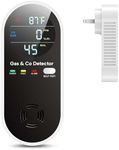
4-in-1 Natural Gas Leak Detector & Carbon Monoxide Detectors with Natural, Propane, Co & Gas Leak Detector - Carbon Monoxide Detectors Plug in -Temperature & Humidity Detectors for Home, RV (2 Packs)

View on Amazon
#2
Upgraded Natural Gas Leak Detector

NICGOL

9%OFF

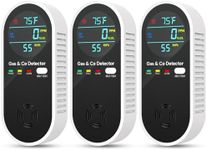
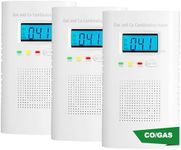
Upgraded Natural Gas Leak Detector & Carbon Monoxide Detectors - 4 in 1 Natural, Propane, Co & Gas Detector -Carbon Monoxide Detectors Plug in -Temperature & Humidity for Home, RV (3 Packs)

View on Amazon
#3
testo 310 II Combustion Analyzer HV

Testo

12%OFF

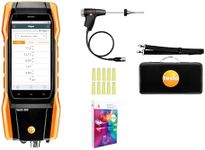
testo 310 II Combustion Analyzer HVAC – Combustion Leak Tester for Temperature, Flue Gas & Pressure – Natural Gas Leak Detector with Smart App and Probe

View on Amazon
#4
4-in-1 Upgraded Natural Gas Leak De

NICGOL

editor-choice-ribbon

4-in-1 Upgraded Natural Gas Leak Detector and Carbon Monoxide Detectors, Dual Sensor Gas Leak Detector & Carbon Monoxide Detectors Plug in (Temperature & Humidity) for Home, RV (Black)

View on Amazon
#5
PT520A Natural Gas Detector, Gas Le

TOPTES

editor-choice-ribbon

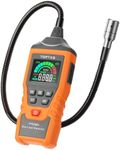
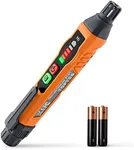
PT520A Natural Gas Detector, Gas Leak Detector with 17-Inch Gooseneck, Locating The Source Like Propane, Methane, and Butane for Home and RV (Includes Battery x3) - Orange

View on Amazon
#6
Klein Tools ET120 Gas Leak Detector

KLEIN TOOLS

Klein Tools ET120 Gas Leak Detector, Combustible Gas Leak Tester with 18-Inch Gooseneck Has Range 50-10,000 ppm, Includes Pouch, Batteries
View on Amazon
#7
BW Technologies XT-XWHM-Y-NA GasAle

BW Technologies

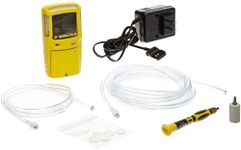
BW Technologies XT-XWHM-Y-NA GasAlertMax XT II 4-Gas Detector with Pump, Combustible, O2, H2S and CO, Yellow
View on Amazon
#8
PT205 Natural Gas Detector with Aud

TOPTES

editor-choice-ribbon

PT205 Natural Gas Detector with Audible & Visual Alarm, Gas Leak Detector with%LEL Value of Methane, Butane, Propane for Home, RV (Includes Batteryx2)-Orange

View on Amazon
#9
BW Technologies MCXL-XWHM-Y-NA GasA

BW Technologies

37%OFF

BW Technologies MCXL-XWHM-Y-NA GasAlertMicroClip XL 4 Gas Detector, CO, H2S, LEL and O2, Yellow

View on Amazon
#10
4 Gas Monitor by Forensics | Built-

FORENSICS DETECTORS FD

4 Gas Monitor by Forensics | Built-in Pump Multi Gas Meter | O2, CO, H2S, LEL | Color Display & Graphing | USA NIST Calibration | Computer Data Logging |
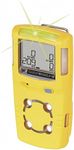
View on Amazon
How do we rank products for you?

Our technology thoroughly searches through the online shopping world, reviewing hundreds of sites. We then process and analyze this information, updating in real-time to bring you the latest top-rated products. This way, you always get the best and most current options available.

headphones-stars

Most Popular Categories Right Now

Buying Guide for the Best Gas Leak Detectors

Choosing the right gas leak detector is crucial for ensuring safety in your home or workplace. Gas leak detectors are designed to alert you to the presence of dangerous gases, helping to prevent accidents and health hazards. When selecting a gas leak detector, it's important to consider several key specifications to ensure you get a device that meets your needs and provides reliable performance.
Type of Gas DetectedGas leak detectors can be designed to detect different types of gases such as natural gas, propane, carbon monoxide, or a combination of these. This spec is important because it determines the kind of gas hazards the detector can identify. If you use natural gas for heating, cooking, or other purposes, you'll need a detector that can sense natural gas. For homes with propane appliances, a propane detector is essential. Some detectors can sense multiple gases, providing broader protection.
SensitivitySensitivity refers to the detector's ability to detect low levels of gas. This is important because higher sensitivity means the detector can alert you to a leak before it becomes dangerous. Sensitivity is usually measured in parts per million (ppm). Detectors with higher sensitivity (lower ppm) are better for early detection. For general home use, a sensitivity of around 10-50 ppm is typically sufficient. For industrial or high-risk environments, you might need a detector with even higher sensitivity.
Power SourceGas leak detectors can be powered by batteries, plugged into an electrical outlet, or hardwired into your home's electrical system. This spec is important because it affects the detector's reliability and convenience. Battery-powered detectors are easy to install and can continue to operate during power outages, but they require regular battery replacement. Plug-in detectors are convenient and don't need battery changes, but they won't work during a power outage unless they have a battery backup. Hardwired detectors are the most reliable but require professional installation.
Alarm TypeThe alarm type refers to how the detector alerts you to the presence of gas. This is important because it affects how quickly and effectively you can respond to a leak. Common alarm types include audible alarms (loud beeping or sirens), visual alarms (flashing lights), and digital displays showing gas levels. Some detectors also offer smartphone alerts or integration with smart home systems. For most users, a combination of audible and visual alarms is ideal, ensuring you notice the alert even if you're not in the same room.
Installation LocationThe installation location is where the detector should be placed for optimal performance. This is important because gas behavior varies; for example, natural gas rises while propane sinks. Detectors should be installed according to the type of gas they detect. For natural gas, place the detector high on a wall or ceiling. For propane, install it near the floor. Some detectors come with guidelines for placement, ensuring you get the best performance. Consider where gas appliances are located and install detectors nearby for maximum safety.
Certification and StandardsCertification and standards indicate that the detector has been tested and meets safety and performance criteria. This is important because it ensures the detector is reliable and effective. Look for detectors that meet standards such as UL (Underwriters Laboratories) or CSA (Canadian Standards Association). These certifications provide assurance that the detector has undergone rigorous testing. Always choose a certified detector to ensure it meets safety requirements and provides accurate detection.