Buying Guide for the Best Garage Heater For 2 Car Garage
Choosing the right garage heater for your 2-car garage is essential to ensure a comfortable and safe working environment during colder months. The right heater will efficiently warm up your space without consuming excessive energy or posing safety risks. To make an informed decision, you need to consider several key specifications that will help you find the best fit for your needs.Heating Capacity (BTUs)Heating capacity, measured in British Thermal Units (BTUs), indicates how much heat the heater can produce. This is crucial because it determines whether the heater can effectively warm up your 2-car garage. For a 2-car garage, you typically need a heater with a capacity ranging from 20,000 to 45,000 BTUs. If your garage is well-insulated, you might lean towards the lower end of this range. Conversely, if your garage is poorly insulated or located in an extremely cold area, you might need a heater with a higher BTU rating.
Fuel TypeGarage heaters can be powered by different fuel types, including electricity, natural gas, propane, and kerosene. The fuel type affects the heater's efficiency, cost of operation, and installation requirements. Electric heaters are easy to install and maintain but may have higher operating costs. Natural gas and propane heaters are more cost-effective for long-term use but require proper ventilation and installation by a professional. Kerosene heaters are portable and powerful but can produce fumes and require regular refueling. Choose a fuel type based on your garage's setup, availability of fuel, and personal preference.
Safety FeaturesSafety features are critical when selecting a garage heater to prevent accidents and ensure safe operation. Look for heaters with features such as overheat protection, tip-over shutoff, and cool-touch exteriors. Overheat protection automatically turns off the heater if it gets too hot, preventing fire hazards. Tip-over shutoff ensures the heater turns off if it is accidentally knocked over. Cool-touch exteriors prevent burns if you or someone else touches the heater. Prioritize heaters with these safety features, especially if you have children or pets.
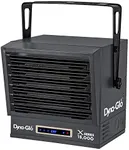
Thermostat ControlA thermostat control allows you to set and maintain a desired temperature in your garage, ensuring consistent warmth and energy efficiency. Heaters with built-in thermostats can automatically adjust their output to maintain the set temperature, reducing energy consumption and preventing overheating. Some models offer programmable thermostats, which let you set different temperatures for different times of the day. Choose a heater with a thermostat control that matches your comfort needs and usage patterns.
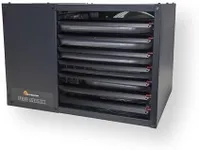
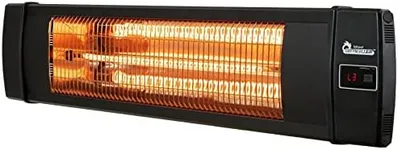
Installation and PortabilityConsider whether you need a fixed or portable heater. Fixed heaters are mounted on walls or ceilings and are ideal for permanent heating solutions. They require professional installation but save floor space and provide consistent heating. Portable heaters can be moved around as needed, offering flexibility and ease of use. They are suitable for temporary heating or if you need to direct heat to specific areas. Decide based on how you plan to use the heater and whether you need a permanent or flexible heating solution.
Noise LevelThe noise level of a garage heater can impact your comfort, especially if you spend a lot of time in the garage. Some heaters operate quietly, while others can be quite loud. If you prefer a quieter environment, look for heaters specifically designed to operate with minimal noise. Check user reviews and product specifications for noise ratings. Choose a heater with a noise level that won't disrupt your activities or cause discomfort.