Buying Guide for the Best Front Closure Bras
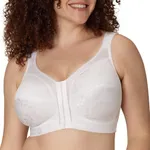
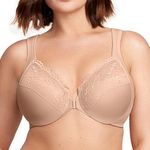
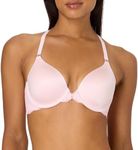
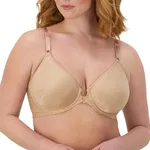
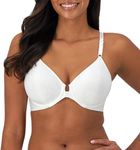
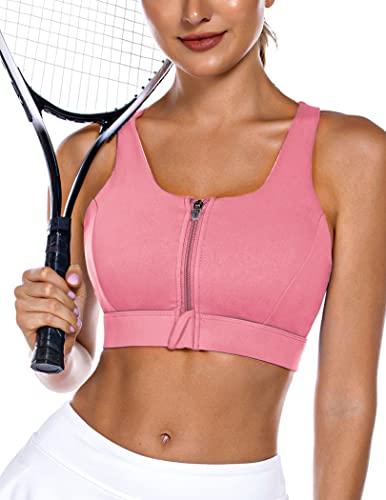
Choosing the right front-closure bra can make a significant difference in your comfort and support throughout the day. Front-closure bras are designed for easy wear and removal, making them a popular choice for many women. When selecting a front-closure bra, it's important to consider several key specifications to ensure you find the best fit for your needs. Here are the key specs to look out for and how to navigate them.Closure TypeThe closure type refers to the mechanism used to fasten the bra at the front. This is important because it affects how easy the bra is to put on and take off. Common closure types include hook-and-eye, zipper, and clasp. Hook-and-eye closures are the most traditional and offer adjustable tightness. Zippers provide a smooth, seamless look but may not offer as much adjustability. Clasps are easy to use but may not be as secure as other types. Choose a closure type that you find easy to use and that provides the level of security you need.
Support LevelSupport level refers to how much support the bra provides to your breasts. This is crucial for comfort and to prevent strain on your back and shoulders. Support levels can range from light to high. Light support is suitable for smaller busts or for lounging, medium support is good for everyday wear, and high support is ideal for larger busts or high-impact activities. Consider your daily activities and breast size when choosing the support level.
MaterialThe material of the bra affects its comfort, breathability, and durability. Common materials include cotton, polyester, spandex, and lace. Cotton is breathable and comfortable for everyday wear, polyester is durable and often used in sports bras, spandex provides stretch for a snug fit, and lace adds a touch of elegance but may not be as comfortable for all-day wear. Choose a material that suits your comfort preferences and the intended use of the bra.
PaddingPadding refers to the amount of cushioning in the bra cups. This is important for shaping and modesty. Bras can be unpadded, lightly padded, or heavily padded. Unpadded bras offer a natural shape and are often more breathable, lightly padded bras provide a bit of shaping and modesty without adding bulk, and heavily padded bras can enhance the appearance of your bust size. Consider your personal preference for shape and coverage when choosing the padding level.
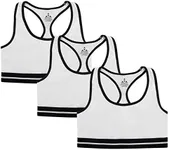
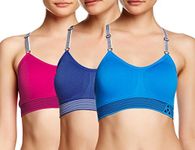
Strap TypeStrap type refers to the design and adjustability of the bra straps. This is important for comfort and support. Common strap types include adjustable, non-adjustable, wide, and racerback. Adjustable straps allow you to customize the fit, non-adjustable straps offer a fixed fit, wide straps distribute weight more evenly and are more comfortable for larger busts, and racerback straps provide extra support and are great for active wear. Choose a strap type that offers the comfort and support you need based on your activities and bust size.
Size RangeThe size range refers to the range of band and cup sizes available for the bra. This is crucial for finding a bra that fits you well. Sizes can vary significantly between brands, so it's important to measure yourself and refer to the brand's size chart. A well-fitting bra should be snug but not tight, with the band level around your torso and the cups fully encasing your breasts without spilling over. Make sure to choose a size that fits your measurements accurately.