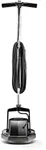
Buying Guide for the Best Floor Buffer For Hardwood Floors
Choosing the right floor buffer for your hardwood floors can make a significant difference in maintaining their beauty and longevity. A floor buffer, also known as a floor polisher, is a machine that uses rotating brushes or pads to clean, polish, and buff floors. When selecting a floor buffer, it's important to consider several key specifications to ensure you get the best fit for your needs. Understanding these specs will help you make an informed decision and keep your hardwood floors looking their best.Motor PowerMotor power is measured in horsepower (HP) and determines the strength and efficiency of the floor buffer. A higher horsepower motor can handle more intensive cleaning and polishing tasks. For light to moderate use, such as in a home setting, a motor with 0.5 to 1 HP is usually sufficient. For more demanding tasks or larger areas, a motor with 1.5 HP or higher may be necessary. Consider the size of the area you need to clean and the frequency of use when choosing the motor power.
Pad SizeThe pad size refers to the diameter of the buffer's cleaning pad, typically measured in inches. Common sizes range from 13 to 20 inches. Smaller pads (13-15 inches) are more maneuverable and suitable for tight spaces or smaller rooms. Larger pads (17-20 inches) cover more surface area quickly, making them ideal for larger spaces. Choose a pad size based on the size of the area you will be cleaning and your need for maneuverability.
Speed SettingsFloor buffers can have single or variable speed settings, measured in revolutions per minute (RPM). Single-speed buffers usually operate at around 175 RPM and are suitable for general cleaning and polishing. Variable speed buffers offer a range of speeds, typically from 175 to 350 RPM or higher, allowing for more versatility in different cleaning tasks. If you need a buffer for various types of cleaning and polishing, a variable speed model may be more beneficial. For straightforward tasks, a single-speed buffer may suffice.
WeightThe weight of the floor buffer affects its ease of use and effectiveness. Heavier buffers (50-100 pounds) provide more downward pressure, which can result in better cleaning and polishing. However, they can be more challenging to maneuver, especially for extended periods. Lighter buffers (20-50 pounds) are easier to handle and transport but may require more effort to achieve the same results. Consider your physical ability and the type of tasks you will be performing when choosing the weight of the buffer.
Noise LevelThe noise level of a floor buffer, measured in decibels (dB), can impact your comfort during use. Quieter models (below 70 dB) are more suitable for residential areas or places where noise is a concern. Louder models (above 70 dB) may be acceptable in commercial settings where noise is less of an issue. If you plan to use the buffer in a noise-sensitive environment, look for models with lower noise levels to ensure a more pleasant experience.
Ease of UseEase of use encompasses several factors, including the design of the handle, the placement of controls, and the overall ergonomics of the machine. Look for a buffer with an adjustable handle to accommodate different user heights and comfortable grips to reduce fatigue. Intuitive controls and easy-to-change pads can also enhance the user experience. Consider how often you will be using the buffer and choose a model that offers features to make operation as simple and comfortable as possible.