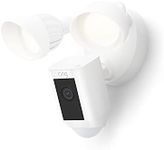
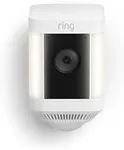
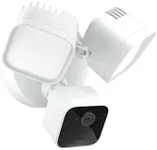
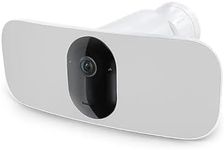
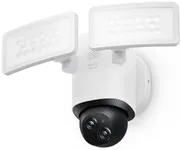
Buying Guide for the Best Flood Light Security Camera
Choosing the right flood light security camera can significantly enhance the safety and security of your home or business. These devices combine the benefits of a floodlight and a security camera, providing both illumination and surveillance. To make an informed decision, it's important to understand the key specifications and how they align with your specific needs. Here are the main factors to consider when selecting a flood light security camera.ResolutionResolution refers to the clarity of the video captured by the camera. Higher resolution means clearer and more detailed images. Common resolutions include 720p (HD), 1080p (Full HD), and 4K (Ultra HD). If you need to identify faces or license plates, opt for at least 1080p. For general surveillance, 720p may suffice, but for the best detail, especially in larger areas, 4K is ideal.
Field of ViewThe field of view (FOV) indicates how wide the camera can see. It is measured in degrees. A wider FOV (e.g., 120 degrees or more) covers more area, which is useful for monitoring large spaces. However, a narrower FOV (e.g., 90 degrees) can provide more detail in a specific area. Choose a wider FOV for broad coverage and a narrower FOV for focused surveillance.
Night VisionNight vision capability allows the camera to capture clear video in low-light or no-light conditions. This is crucial for 24/7 surveillance. Look for cameras with infrared (IR) LEDs or advanced low-light sensors. The range of night vision (measured in feet or meters) is also important; longer ranges are better for larger areas. Ensure the night vision range matches the area you need to monitor.
Motion DetectionMotion detection technology triggers the camera to start recording or send alerts when movement is detected. This feature helps save storage space and ensures you are notified of potential intrusions. Advanced options include customizable motion zones and sensitivity settings. Choose a camera with adjustable motion detection to avoid false alarms from pets or passing cars.
LightingThe floodlight aspect of the camera provides illumination, which can deter intruders and improve video quality at night. Consider the brightness (measured in lumens) and the type of light (LED is common for its efficiency and longevity). Higher lumens mean brighter light. Choose a brightness level that adequately illuminates the area you want to secure.
Storage OptionsStorage options determine where your video footage is saved. Common options include local storage (SD cards or hard drives) and cloud storage. Local storage is often cheaper and doesn't require internet, but can be vulnerable to theft or damage. Cloud storage offers remote access and better security, but may involve subscription fees. Choose based on your preference for accessibility and security.
ConnectivityConnectivity refers to how the camera communicates with your devices. Wi-Fi is common for easy installation and remote access, but ensure your network is strong enough to support it. Some cameras offer Ethernet connections for more reliable performance. Choose Wi-Fi for convenience and Ethernet for stability, especially in areas with weak wireless signals.
Weather ResistanceWeather resistance ensures the camera can withstand outdoor conditions. Look for an IP rating (e.g., IP65, IP66) which indicates protection against dust and water. Higher numbers mean better protection. Choose a camera with a high IP rating if you live in an area with harsh weather conditions to ensure longevity and reliability.
Integration with Smart Home SystemsIntegration with smart home systems allows the camera to work with other devices like smart locks, lights, and voice assistants. This can enhance your overall security setup. Check compatibility with systems like Amazon Alexa, Google Assistant, or Apple HomeKit. Choose a camera that integrates with your existing smart home devices for a seamless experience.