Best Flexible Filament
From leading brands and best sellers available on the web.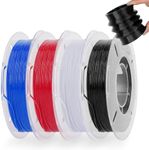
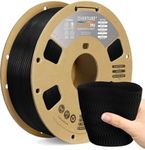
OVERTURE

OVERTURE TPU High Speed Filament 1.75mm Flexible Roll, 95A Soft 3D Printer Filament, 1kg Spool (2.2 lbs), Fit Most FDM Printer (HS TPU Black)
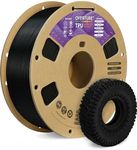
OVERTURE
OVERTURE TPU Filament 1.75mm Flexible Roll, 95A Soft 3D Printer Filament, 1kg Spool (2.2 lbs), Fit Most FDM Printer (TPU Black)
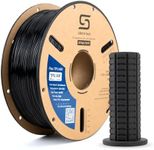
Siraya Tech
10%OFF
Siraya Tech Flex TPU Air - Lightweight Active Foaming Flexible 3D Filament, Adjustable Hardness 65A-82A, High-Speed Printing, Easy to Use, for Wearables, Sports Gear & Soft Prototypes (Black, 1kg)
SUNLU
24%OFF
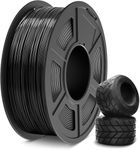
SUNLU TPU 3D Printer Filament 1.75mm, High Speed 95A TPU Filament, 1KG Flexible 3D Filament for Fast Printing, Dimensional Accuracy +/- 0.03mm, Suitable for Most FDM 3D Printers. (Black)
Related Products

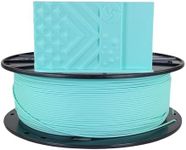
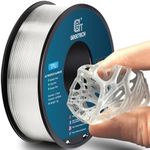
Geeetech
Geeetech TPU Filament 1.75mm, Shore 95A Flexible 3D Printer Filament with High Elasticity, 1KG (2.2lbs) Spool, Dimensional Accuracy ±0.03mm, Fits Most FDM Printers (Clear/Transparent)
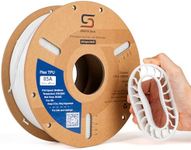
Siraya Tech
20%OFF
Siraya Tech Flex TPU Filament - 85A Shore, ISO 10993, High Flexibility & Toughness, High Flow & Speed, Easy to Print, Moisture-Resistant Aluminum Bag - Ideal for Footwear, Protective Gear (White, 1kg)
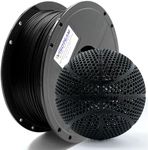
WISDREAM
WISDREAM FlexiTough Flexible Filament Specifically for Printing Real-Game Bouncy Airless Basketball,1.75mm,1KG (2.2lbs),Compatible with Most FDM Printers,Black
Creality
26%OFF
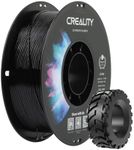
Creality TPU Filament 1.75, 95A 3D Printing Filament, High Hardness & Resilience, Soft Adhesive Material, Elastic, 1kg(2.2lbs) Flexible Filament 1.75mm, for 3D Printer (Black)
ELEGOO
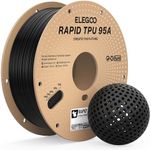
ELEGOO Rapid TPU Filament 1.75mm Black 1KG, High Speed 95A TPU Flexible Soft 3D Printing Filament, 1KG Spool(2.2lbs) Fit for Most FDM 3D Printers
Our technology thoroughly searches through the online shopping world, reviewing hundreds of sites. We then process and analyze this information, updating in real-time to bring you the latest top-rated products. This way, you always get the best and most current options available.

Most Popular Categories Right Now


