Buying Guide for the Best Fishing Rod Case
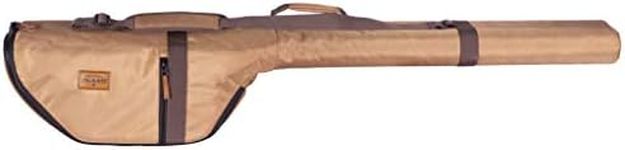
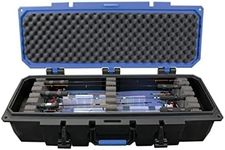
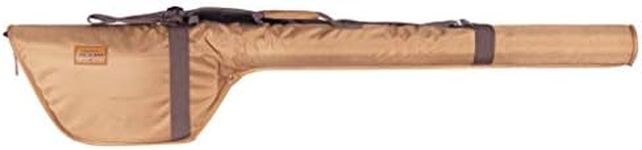
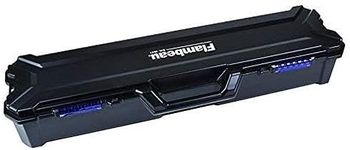
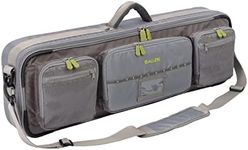
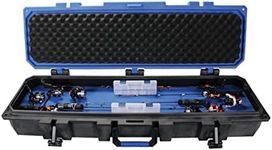
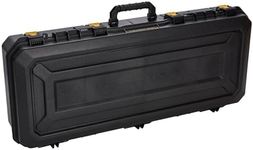
Choosing the right fishing rod case is essential to protect your fishing gear and ensure it lasts for many years. A good fishing rod case will keep your rods safe from damage during transport and storage. When selecting a fishing rod case, consider the type of fishing you do, the number of rods you need to carry, and the level of protection you require. Here are some key specifications to consider when choosing a fishing rod case.MaterialThe material of the fishing rod case is crucial as it determines the level of protection and durability. Common materials include hard plastic, soft fabric, and reinforced nylon. Hard plastic cases offer the highest level of protection against impacts and are ideal for air travel or rough handling. Soft fabric cases are lighter and more flexible, making them easier to carry but offering less protection. Reinforced nylon cases strike a balance between protection and portability. Choose a material based on how much protection you need and how you plan to transport your rods.
Size and LengthThe size and length of the fishing rod case should match the dimensions of your fishing rods. Cases come in various lengths to accommodate different rod sizes, from short travel rods to long surfcasting rods. Measure your rods and ensure the case you choose is slightly longer to provide a snug fit without bending the rods. If you have multiple rods, consider a case with adjustable compartments or dividers to keep them organized and prevent them from knocking against each other.
CapacityCapacity refers to the number of rods and additional gear the case can hold. Some cases are designed to carry a single rod, while others can hold multiple rods and even reels. If you often fish with multiple rods or need to carry extra gear like reels, tackle, and accessories, opt for a case with higher capacity. For casual anglers with one or two rods, a smaller case will suffice. Consider your typical fishing setup and choose a case that can accommodate all your equipment comfortably.
PortabilityPortability is an important factor, especially if you need to carry your fishing rod case over long distances or through challenging terrain. Look for features like padded shoulder straps, handles, and wheels that make the case easier to transport. Lightweight cases are easier to carry but may offer less protection. If you frequently travel by plane or hike to remote fishing spots, prioritize portability features to make your journey more comfortable.
Water ResistanceWater resistance is a key feature to protect your fishing rods from moisture and water damage. Some cases are made from water-resistant materials or have waterproof coatings to keep your gear dry. This is particularly important if you fish in wet conditions or need to store your rods in damp environments. Check the case's water resistance rating and choose one that offers adequate protection based on your fishing habits and the environments you frequent.
Security FeaturesSecurity features like locks, zippers, and reinforced seams can help protect your fishing rods from theft and accidental opening. Hard cases often come with built-in locks, while soft cases may have lockable zippers. Reinforced seams add durability and prevent the case from tearing. If you travel frequently or store your rods in shared spaces, consider a case with robust security features to keep your gear safe.