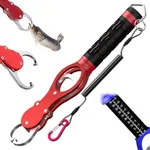
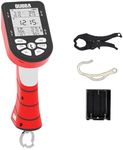
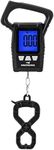
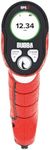
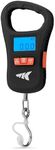
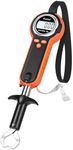
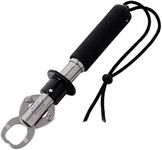
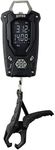
Buying Guide for the Best Fish Weight Scales
Choosing the right fish weight scale is essential for accurately measuring the weight of your catch. Whether you're a professional angler or a hobbyist, having a reliable scale can make a significant difference in your fishing experience. Here are some key specifications to consider when selecting a fish weight scale, along with explanations to help you make an informed decision.AccuracyAccuracy refers to how close the scale's measurement is to the actual weight of the fish. This is important because precise measurements are crucial for record-keeping, competitions, and ensuring you comply with fishing regulations. Scales typically offer different levels of accuracy, such as within 0.1 pounds, 0.01 pounds, or even more precise. If you need highly accurate measurements, opt for a scale with finer accuracy. For casual fishing, a scale with moderate accuracy should suffice.
CapacityCapacity is the maximum weight the scale can measure. This is important because it determines the size of fish you can weigh. Scales come with varying capacities, such as up to 10 pounds, 50 pounds, or even higher. If you often catch larger fish, choose a scale with a higher capacity. For smaller fish, a lower capacity scale will be adequate.
DurabilityDurability refers to how well the scale can withstand the conditions of fishing, such as exposure to water, rough handling, and outdoor elements. This is important because a durable scale will last longer and perform reliably. Look for scales made from robust materials like stainless steel or high-quality plastic. If you fish in harsh environments, prioritize durability to ensure your scale remains functional.
Ease of UseEase of use encompasses how simple and convenient the scale is to operate. This is important because a user-friendly scale can save time and reduce frustration. Features like a clear display, intuitive controls, and ergonomic design contribute to ease of use. If you prefer straightforward operation, choose a scale with minimal buttons and a large, easy-to-read display.
PortabilityPortability refers to how easy it is to carry and transport the scale. This is important for anglers who move around frequently or travel to different fishing spots. Scales vary in size and weight, with some being compact and lightweight while others are bulkier. If you need a scale that you can easily carry in your tackle box or backpack, opt for a portable model.
Battery LifeBattery life indicates how long the scale can operate before needing a battery replacement or recharge. This is important because a long battery life ensures the scale is ready to use whenever you need it. Scales can have varying battery lives, from a few hours to several months. If you fish frequently, choose a scale with a longer battery life to avoid interruptions.
Additional FeaturesAdditional features include extras like memory storage, backlit displays, and waterproof capabilities. These features can enhance the functionality and convenience of the scale. For example, memory storage allows you to keep track of multiple weights, while a backlit display makes it easier to read in low light conditions. Consider which additional features are important to you based on your fishing habits and preferences.