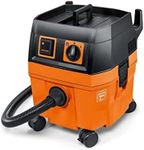
Buying Guide for the Best Festool Vacuum
When choosing a Festool vacuum, it's important to consider your specific needs and the tasks you plan to use it for. Festool vacuums are known for their high quality and efficiency, but different models come with various features and specifications that can make a big difference in performance and usability. Understanding these key specifications will help you make an informed decision and ensure you get the best vacuum for your needs.Suction PowerSuction power is a measure of how effectively the vacuum can pick up debris and dust. This is important because higher suction power means better cleaning performance, especially for heavy-duty tasks. Suction power is usually measured in watts or air watts. For light cleaning tasks, a lower suction power may suffice, but for more demanding jobs, such as construction site cleanup or woodworking, higher suction power is essential.
Filtration SystemThe filtration system determines how well the vacuum can trap dust and allergens. This is crucial for maintaining a clean and healthy environment, especially if you have allergies or are working in a sensitive area. Festool vacuums often come with HEPA filters, which are highly effective at capturing small particles. If you need to ensure the highest air quality, look for models with advanced filtration systems. For general use, a standard filter may be adequate.
CapacityCapacity refers to the size of the dust container or bag. This is important because a larger capacity means you can clean for longer periods without needing to empty the container. Capacity is usually measured in liters. For small, occasional tasks, a smaller capacity may be sufficient. However, for extensive cleaning jobs or professional use, a larger capacity will be more convenient and efficient.
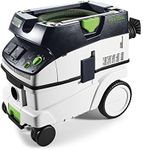
PortabilityPortability is about how easy it is to move the vacuum around. This includes the weight of the vacuum and whether it has wheels or a handle. Portability is important if you need to move the vacuum frequently or use it in different locations. For stationary tasks, a heavier, less portable model might be acceptable. But for mobile tasks, a lightweight, easily maneuverable vacuum is preferable.
Noise LevelNoise level indicates how loud the vacuum is during operation. This is measured in decibels (dB). A lower noise level is important if you are working in a noise-sensitive environment or if you will be using the vacuum for extended periods. For home use or in quiet settings, look for vacuums with lower noise levels. In industrial settings, noise might be less of a concern, so a louder vacuum with higher performance might be acceptable.
Hose Length and AttachmentsThe length of the hose and the variety of attachments available can greatly affect the vacuum's versatility and ease of use. A longer hose allows you to reach further without moving the vacuum, and different attachments can help you clean various surfaces and tight spaces more effectively. Consider your specific cleaning needs and choose a vacuum with a hose length and attachments that will make your tasks easier and more efficient.
Durability and Build QualityDurability and build quality refer to how well the vacuum is constructed and how long it will last under regular use. This is important because a well-built vacuum will provide reliable performance and withstand the rigors of frequent use. Look for models made with high-quality materials and robust construction. If you plan to use the vacuum in tough environments, prioritize durability to ensure it can handle the demands of your work.