We Use CookiesWe use cookies to enhance the security, performance, functionality and for analytical and promotional activities. By continuing to browse this site you are agreeing to our privacy policy

Best Dynamic Microphones

From leading brands and best sellers available on the web.
#1

Winner

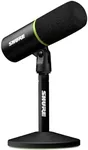
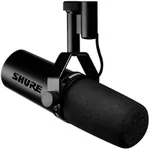
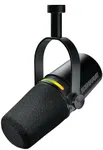
Shure MV7+ Podcast Dynamic Micropho

Shure

10%OFF

editor-choice-ribbon

Shure MV7+ Podcast Dynamic Microphone – OBS Certified, Enhanced Audio, LED Panel, USB-C & XLR Outputs, Auto Level Mode, Digital Pop Filter, Reverb Effects – For Podcasting, Streaming, Recording, Black

View on Amazon
#2
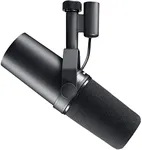
Shure SM7B Vocal Dynamic Microphone

Shure

9%OFF

editor-choice-ribbon

Shure SM7B Vocal Dynamic Microphone – XLR Studio Mic for Podcasting, Recording, Broadcasting, Streaming & Gaming – Smooth, Warm Sound, Rugged Build, Detachable Windscreen, Wide Frequency Range, Black
View on Amazon
#3
Shure SM7dB Dynamic Vocal Microphon

Shure

9%OFF

editor-choice-ribbon

Shure SM7dB Dynamic Vocal Microphone with Built-in Preamp – Studio Mic for Streaming, Podcasting, and Recording – Smooth Sound, Wide Frequency Range, Rugged Build, Windscreen Included, Black

View on Amazon
#4
FIFINE USB/XLR Dynamic Microphone f

FIFINE

15%OFF

editor-choice-ribbon

FIFINE USB/XLR Dynamic Microphone for Podcast Recording, PC Computer Gaming Streaming Mic with RGB Light, Mute Button, Headphones Jack, Desktop Stand, Vocal Mic for Singing YouTube-AmpliGame AM8
View on Amazon
#5
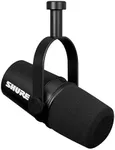
Shure MV7X XLR Dynamic Microphone –

Shure

10%OFF

editor-choice-ribbon

Shure MV7X XLR Dynamic Microphone – Voice-Isolating Cardioid Mic for Podcasting, Vocal Recording & Broadcasting, All-Metal, Black

View on Amazon
#6
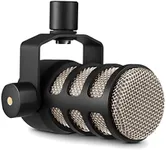
RØDE PodMic USB Versatile Dynamic B

Rode

7%OFF

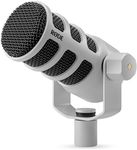
RØDE PodMic USB Versatile Dynamic Broadcast Microphone With XLR and USB Connectivity for Podcasting, Streaming, Gaming, Music-Making and Content Creation

View on Amazon
#7
Shure MV6 Gaming Microphone – Dynam

Shure

12%OFF

editor-choice-ribbon

Shure MV6 Gaming Microphone – Dynamic USB Mic for PC Gaming & Streaming with Tap-to-Mute, Noise Cancellation, Desktop Stand & 3.5mm Headphone Monitoring, Black

View on Amazon
#8
Shure SM58 Professional Dynamic Voc

Shure

8%OFF

Shure SM58 Professional Dynamic Vocal Microphone with 25-Foot XLR Cable – Cardioid Mic for Live Performance, Studio Recording, Podcasting & Streaming (SM58-CN), Black & Silver
View on Amazon
#9
Rode PodMic Cardioid Dynamic Broadc

Rode

Rode PodMic Cardioid Dynamic Broadcast Microphone, Black

View on Amazon
#10
Shure BETA 58A Vocal Microphone - S

Shure

11%OFF

Shure BETA 58A Vocal Microphone - Single Element Supercardioid Dynamic Mic for Stage and Studio, Includes A25D Adjustable Stand Adapter, 5/8” to 3/8” (Euro) Thread Adapter and Storage Bag

View on Amazon
How do we rank products for you?

Our technology thoroughly searches through the online shopping world, reviewing hundreds of sites. We then process and analyze this information, updating in real-time to bring you the latest top-rated products. This way, you always get the best and most current options available.

headphones-stars

Most Popular Categories Right Now

Buying Guide for the Best Dynamic Microphones

When choosing a dynamic microphone, it's important to consider several key specifications to ensure you select the best fit for your needs. Dynamic microphones are known for their durability and ability to handle high sound pressure levels, making them ideal for live performances and certain recording situations. Understanding the key specs will help you make an informed decision based on your specific requirements.
Frequency ResponseFrequency response refers to the range of frequencies a microphone can pick up. This is important because it determines how accurately the microphone can capture different sounds. A wider frequency response range means the microphone can capture both low and high frequencies more effectively. For vocals, a frequency response of 80 Hz to 15 kHz is typically sufficient, while for instruments, you might want a wider range to capture all the nuances.
Polar PatternThe polar pattern of a microphone describes how it picks up sound from different directions. This is crucial because it affects how the microphone isolates the sound source from background noise. Common polar patterns for dynamic microphones include cardioid, supercardioid, and omnidirectional. Cardioid microphones pick up sound primarily from the front, making them great for live vocals. Supercardioid microphones have a tighter pickup pattern, offering better isolation in noisy environments. Omnidirectional microphones pick up sound equally from all directions, which can be useful in certain recording situations but are less common for live performances.
SensitivitySensitivity measures how effectively a microphone converts sound into an electrical signal. This is important because it affects the microphone's ability to pick up quiet sounds. Dynamic microphones generally have lower sensitivity compared to condenser microphones, making them better suited for loud sound sources like drums or guitar amplifiers. If you need a microphone for quieter sources, you might want to look for one with higher sensitivity.
ImpedanceImpedance is the resistance a microphone offers to the flow of electrical current. This is important because it affects the microphone's compatibility with other audio equipment. Low impedance microphones (less than 600 ohms) are generally preferred because they are less susceptible to noise and signal loss over long cable runs. High impedance microphones (greater than 1,000 ohms) are more suited for shorter cable runs and specific applications.
DurabilityDurability refers to how well a microphone can withstand physical wear and tear. This is particularly important for dynamic microphones used in live performances, where they might be subjected to rough handling. Look for microphones with robust construction and materials that can handle drops and impacts. If you plan to use the microphone in a studio setting, durability might be less of a concern, but it's still worth considering.
Handling NoiseHandling noise is the unwanted sound that occurs when a microphone is physically moved or touched. This is important for live performances where the microphone might be handheld. Look for microphones with good internal shock mounting to minimize handling noise. If the microphone will be used on a stand and not moved much, handling noise might be less of a concern.