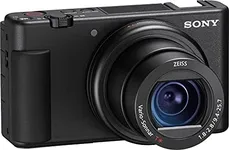
Buying Guide for the Best Dslr Camera For Video
Choosing the right DSLR camera for video can be a bit overwhelming, but with the right approach, you can find the perfect fit for your needs. Start by understanding what you want to achieve with your videos. Are you looking to create professional-quality films, vlogs, or just casual home videos? Knowing your purpose will help you prioritize the features that matter most. Here are some key specifications to consider when selecting a DSLR camera for video, along with explanations to help you make an informed decision.ResolutionResolution refers to the number of pixels that make up the video image. Higher resolution means more detail and clarity. Common resolutions include 1080p (Full HD) and 4K. If you want high-quality, professional-looking videos, 4K is a great choice. However, 1080p is still very good for most purposes and is easier to edit and store. Choose 4K if you need the highest quality and have the equipment to handle it, otherwise, 1080p is sufficient for most users.
Frame RateFrame rate is the number of frames captured per second (fps). Common frame rates are 24fps, 30fps, and 60fps. 24fps gives a cinematic look, 30fps is standard for TV and online videos, and 60fps is great for smooth motion, especially in action shots. If you want a film-like quality, go for 24fps. For general use, 30fps is a good choice. If you plan to shoot a lot of fast-moving subjects, consider 60fps.
AutofocusAutofocus determines how well the camera can keep your subject in focus while recording. Good autofocus is crucial for video, especially if you are moving or if your subject is moving. Look for cameras with continuous autofocus and face detection features. If you plan to shoot dynamic scenes or vlogs where you move around a lot, strong autofocus performance is essential.
Low Light PerformanceLow light performance is how well the camera can capture clear video in dim lighting conditions. This is influenced by the camera's sensor size and ISO range. Larger sensors and higher ISO capabilities generally perform better in low light. If you plan to shoot indoors or in low-light environments, prioritize a camera with good low light performance to avoid grainy footage.
Audio QualityAudio quality is just as important as video quality. Built-in microphones on DSLRs are often not the best, so look for a camera with an external microphone input. This allows you to use higher-quality microphones for better sound. If audio is crucial for your videos, ensure the camera has good audio input options and consider investing in an external microphone.
StabilizationStabilization helps reduce camera shake, resulting in smoother video. There are two types: optical (in the lens) and digital (in the camera body). Optical stabilization is generally more effective. If you plan to shoot handheld or while moving, look for a camera with good stabilization features to ensure your videos are steady and professional-looking.
Battery LifeBattery life determines how long you can shoot before needing to recharge or replace the battery. Video recording consumes more power than photography, so a camera with a long battery life is beneficial. If you plan to shoot long sessions or on-the-go, consider a camera with good battery performance or the option to use external power sources.
ConnectivityConnectivity options like Wi-Fi, Bluetooth, and HDMI output can be very useful. Wi-Fi and Bluetooth allow for easy file transfer and remote control of the camera, while HDMI output is great for live streaming or connecting to external monitors. If you need to transfer files quickly, control your camera remotely, or use it for live streaming, ensure it has the necessary connectivity features.