Buying Guide for the Best Drill Bit Kit
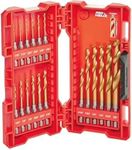
Choosing the right drill bit kit can make a significant difference in the efficiency and quality of your work. Whether you're a professional or a DIY enthusiast, understanding the key specifications of drill bits will help you select the best kit for your needs. Consider the materials you'll be working with, the types of projects you undertake, and the frequency of use when making your decision.MaterialThe material of the drill bits is crucial because it determines their durability and suitability for different tasks. Common materials include high-speed steel (HSS), cobalt, carbide, and titanium-coated bits. HSS bits are versatile and suitable for wood, plastic, and soft metals. Cobalt bits are more durable and can handle harder metals. Carbide bits are extremely hard and ideal for drilling into masonry and tiles. Titanium-coated bits offer a balance of durability and versatility. Choose the material based on the primary materials you will be drilling into.
Bit TypeDrill bits come in various types, each designed for specific tasks. Twist bits are the most common and are used for general-purpose drilling. Brad-point bits are ideal for wood as they provide clean, precise holes. Masonry bits are designed for drilling into concrete, brick, and stone. Spade bits are used for making large holes in wood. Forstner bits are perfect for creating flat-bottomed holes. Choose the bit type based on the specific tasks you will be performing most frequently.
Size RangeThe size range of the drill bits in a kit is important because it determines the variety of hole sizes you can create. Kits typically include bits of various diameters, from very small to larger sizes. If you work on projects that require precision and a variety of hole sizes, opt for a kit with a wide range of bit sizes. For general household tasks, a basic set with common sizes may suffice. Consider the typical sizes you need for your projects when selecting a kit.
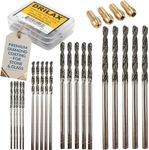
CoatingThe coating on drill bits can enhance their performance and longevity. Common coatings include black oxide, titanium, and diamond. Black oxide coating provides corrosion resistance and reduces friction. Titanium coating increases the bit's hardness and heat resistance, making it suitable for tougher materials. Diamond coating is used for drilling into very hard materials like glass and ceramics. Choose a coating based on the materials you will be drilling and the desired durability of the bits.
Shank TypeThe shank type of a drill bit affects its compatibility with different drill chucks and its grip during use. Common shank types include round, hex, and reduced shank. Round shanks are standard and fit most drills. Hex shanks provide a better grip and are less likely to slip, making them ideal for high-torque applications. Reduced shank bits allow for larger bit sizes to be used in standard chucks. Choose the shank type based on your drill and the nature of your projects.
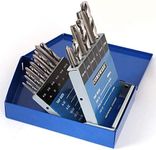
Number of PiecesThe number of pieces in a drill bit kit can vary widely, from small sets with a few essential bits to large kits with dozens of pieces. A larger kit offers more versatility and options for different tasks, while a smaller kit is more compact and easier to store. Consider the range of projects you undertake and whether you need a comprehensive set or just a few specific bits. If you frequently work on diverse projects, a larger kit may be more beneficial.