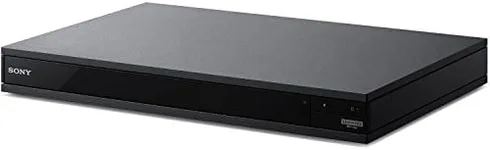
Buying Guide for the Best Dolby Atmos Blu Ray Player
Choosing the right Dolby Atmos Blu-ray player can significantly enhance your home entertainment experience. Dolby Atmos provides an immersive audio experience by adding height channels, allowing sounds to be interpreted as three-dimensional objects. When selecting a Blu-ray player, it's important to consider several key specifications to ensure you get the best fit for your needs. Understanding these specs will help you make an informed decision and enjoy high-quality audio and video at home.Dolby Atmos SupportDolby Atmos support is crucial for experiencing immersive, three-dimensional sound. This feature allows the Blu-ray player to decode and deliver Dolby Atmos audio tracks, which are often found on high-definition Blu-ray discs. When choosing a player, ensure it explicitly states Dolby Atmos support. This is important if you have or plan to have a compatible sound system that can take advantage of this advanced audio technology.
Video ResolutionVideo resolution refers to the clarity and detail of the video output. Common resolutions include Full HD (1080p) and Ultra HD (4K). A 4K Blu-ray player provides a higher resolution, offering more detail and a better viewing experience, especially on larger screens. If you have a 4K TV, opting for a 4K Blu-ray player is ideal. However, if your TV is only 1080p, a Full HD player will suffice. Choose based on your TV's capabilities to ensure compatibility and optimal performance.
HDR SupportHigh Dynamic Range (HDR) enhances the contrast and color range of the video, providing a more realistic and vibrant picture. HDR formats include HDR10, Dolby Vision, and HDR10+. When selecting a Blu-ray player, check for HDR support, especially if you have an HDR-compatible TV. This feature is important for getting the most out of your 4K content, as it significantly improves the visual quality. Choose a player that supports the HDR format your TV is compatible with.
Connectivity OptionsConnectivity options determine how you can connect your Blu-ray player to other devices. Common connections include HDMI, USB, Ethernet, and Wi-Fi. HDMI is essential for high-quality audio and video transmission. USB ports allow for media playback from external drives. Ethernet and Wi-Fi enable internet connectivity for streaming services and firmware updates. Consider your setup and choose a player with the necessary ports and wireless capabilities to ensure seamless integration with your home entertainment system.
Disc CompatibilityDisc compatibility refers to the types of discs the Blu-ray player can read. Besides standard Blu-ray discs, some players can also read 3D Blu-rays, DVDs, CDs, and even Ultra HD Blu-rays. If you have a diverse collection of media, look for a player that supports multiple disc formats. This ensures you can enjoy all your content without needing multiple devices. Choose based on the types of discs you own or plan to purchase.
Smart FeaturesSmart features include built-in apps for streaming services, web browsing, and other internet-based functionalities. These features can enhance your viewing experience by providing access to a wide range of content beyond physical discs. If you enjoy streaming movies and shows, look for a Blu-ray player with smart capabilities. This can reduce the need for additional streaming devices and provide a more integrated entertainment experience. Choose based on your preference for streaming and internet use.
Audio Output OptionsAudio output options determine how the Blu-ray player connects to your sound system. Common outputs include HDMI, optical, and coaxial. HDMI is preferred for high-quality audio, including Dolby Atmos. Optical and coaxial are alternatives for older sound systems. Ensure the player has the necessary outputs to connect to your existing audio setup. Choose based on the compatibility with your sound system to ensure you can enjoy the best audio experience.