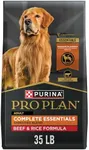
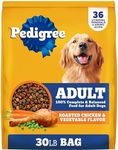
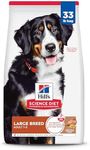
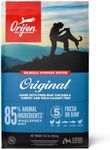
Buying Guide for the Best Dog Food For Pitbulls
Choosing the right dog food for your Pitbull is crucial for their health, energy levels, and overall well-being. Pitbulls are known for their muscular build and high energy, so their diet needs to support these characteristics. When selecting dog food, consider the nutritional content, ingredients, and specific needs of your dog. Here are some key specifications to look for and how to navigate them to find the best fit for your Pitbull.Protein ContentProtein is essential for muscle development and maintenance, which is particularly important for Pitbulls due to their muscular build. Look for dog food with a high protein content, ideally from animal sources like chicken, beef, or fish. Foods with 25-30% protein are generally good for active dogs, while those with 30% or more are suitable for very active or working dogs. If your Pitbull is less active, a lower protein content may be sufficient.
Fat ContentFat provides energy and helps with the absorption of certain vitamins. For Pitbulls, a moderate to high fat content is beneficial to support their energy levels. Dog foods with 12-20% fat are typically suitable for active dogs. If your Pitbull is very active or a working dog, you might consider foods with higher fat content. For less active dogs, lower fat content can help prevent weight gain.
CarbohydratesCarbohydrates provide a source of energy and fiber. While not as crucial as protein and fat, they still play a role in a balanced diet. Look for dog foods with whole grains like brown rice or oats, or vegetables like sweet potatoes. Avoid foods with excessive fillers like corn or soy. If your Pitbull has a sensitive stomach or allergies, grain-free options might be better.
Vitamins and MineralsVitamins and minerals are essential for overall health, supporting everything from the immune system to bone health. Ensure the dog food includes a balanced mix of vitamins (A, B, C, D, E, K) and minerals (calcium, phosphorus, potassium). Check the label for a comprehensive list of these nutrients. If your Pitbull has specific health issues, consult your vet for any additional supplements that might be needed.
Ingredients QualityThe quality of ingredients in dog food can vary significantly. Look for foods with high-quality, natural ingredients and avoid those with artificial preservatives, colors, or flavors. Whole meats, vegetables, and grains are preferable. The first few ingredients listed should be recognizable and ideally, meat-based. If your Pitbull has allergies or sensitivities, you may need to choose foods with limited ingredients or specific formulations.
Life Stage and SizePitbulls have different nutritional needs at different life stages (puppy, adult, senior) and sizes. Puppy food is formulated to support growth and development, while adult food maintains health and energy levels. Senior food often includes joint support and lower calories. Choose a food that matches your Pitbull's life stage and adjust as they grow. Additionally, consider their size; larger breeds may benefit from foods designed for large dogs.
Special Dietary NeedsSome Pitbulls may have special dietary needs due to allergies, sensitivities, or health conditions. If your dog has a known issue, look for foods specifically formulated to address these needs, such as grain-free, hypoallergenic, or foods designed for sensitive stomachs. Always consult with your vet to ensure the chosen food meets your Pitbull's specific health requirements.