Buying Guide for the Best Dog Bark Deterrents
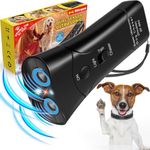
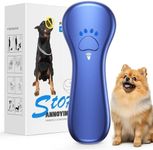
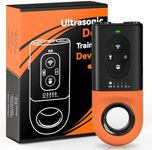
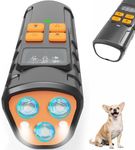
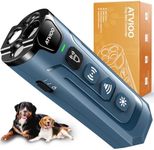
Choosing the right dog bark deterrent can be a game-changer for maintaining peace and quiet in your home. The key is to find a product that is effective, humane, and suitable for your dog's specific needs. Here are some important specifications to consider when selecting a dog bark deterrent, along with explanations to help you make an informed decision.Type of DeterrentDog bark deterrents come in various types, including ultrasonic devices, vibration collars, spray collars, and static correction collars. The type of deterrent is important because it determines how the device will interact with your dog. Ultrasonic devices emit a high-pitched sound that only dogs can hear, which can be effective for some dogs but not all. Vibration collars use gentle vibrations to interrupt barking, which can be a good option for sensitive dogs. Spray collars release a burst of citronella or air to deter barking, which is often effective but may not be suitable for all dogs. Static correction collars deliver a mild electric shock, which can be effective but should be used with caution. Consider your dog's temperament and sensitivity when choosing the type of deterrent.
AdjustabilityAdjustability refers to the ability to customize the settings of the bark deterrent to suit your dog's needs. This is important because dogs have different sensitivities and thresholds for correction. Some devices allow you to adjust the intensity of the sound, vibration, spray, or static correction. Others may have adjustable sensitivity levels to detect barking more accurately. Look for a deterrent with adjustable settings so you can find the right level of correction for your dog. If your dog is more sensitive, start with the lowest setting and gradually increase if necessary.
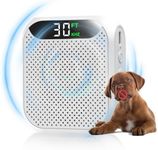
RangeThe range of a dog bark deterrent refers to the distance over which the device can detect and respond to barking. This is important if you need to control barking in a larger area, such as a backyard or multiple rooms in your home. Ultrasonic devices typically have a range of 10 to 50 feet, while collars are effective as long as they are worn by the dog. Consider the size of the area where you need to control barking and choose a deterrent with an appropriate range. For indoor use, a shorter range may be sufficient, while outdoor use may require a longer range.
Battery LifeBattery life refers to how long the device can operate before needing a recharge or battery replacement. This is important for convenience and ensuring the deterrent is always ready to use. Some devices use replaceable batteries, while others have rechargeable batteries. Look for a deterrent with a long battery life to minimize the hassle of frequent recharging or battery changes. If you prefer a rechargeable device, check the charging time and how long a full charge lasts. For replaceable batteries, consider the cost and availability of the batteries.
DurabilityDurability refers to how well the device can withstand wear and tear, especially if it will be used outdoors or on an active dog. This is important to ensure the longevity of the product and to avoid frequent replacements. Look for a deterrent made from high-quality, durable materials that can withstand exposure to the elements and rough handling. Waterproof or water-resistant features are also beneficial for outdoor use. Consider your dog's activity level and the environment where the deterrent will be used when evaluating durability.
Safety FeaturesSafety features are important to ensure the well-being of your dog while using the bark deterrent. This includes features like automatic shut-off to prevent over-correction, humane correction methods, and non-toxic materials. Look for a deterrent that prioritizes your dog's safety and comfort. For example, ultrasonic and vibration collars are generally considered more humane than static correction collars. If you choose a static correction collar, ensure it has safety features like automatic shut-off and adjustable intensity levels. Always monitor your dog's reaction to the deterrent and discontinue use if it causes distress.